

The bus lurched around a hairpin bend somewhere between San Jose and La Fortuna, and through the rain-streaked window I caught my first glimpse of Arenal Volcano — a perfect green cone punching through a collar of cloud. The woman next to me, a retired teacher from Minnesota on her fourth visit, nudged my arm and said, “It never gets old.” She was right. Over seven days, I traced a route from the gritty streets of Costa Rica’s capital through volcanic highlands, misty cloud forests, and down to the white-sand crescents of the Pacific coast. This is the trip I wish someone had handed me before I went — every bus fare, every casado, every surprise downpour included.
The route is clean and logical: one night in San Jose to shake off jet lag, two nights at Arenal and La Fortuna for volcanoes and hot springs, two nights in Monteverde for cloud-forest immersion, and a final two nights at Manuel Antonio for beaches and wildlife. You can do it by shuttle bus, rental car, or a mix of both. I tried all three over multiple trips, and I will tell you exactly what each costs and where each option shines.
1. SAN JOSE AND THE CENTRAL MARKET

Most travelers treat San Jose as a layover to endure, not a city to explore. That is a mistake — or at least half a mistake. You do not need three days here, but one full day reveals a capital with real character beneath the diesel fumes. I dropped my bag at Hotel Presidente (from 42,000 CRC / 82 USD per night), a reliable mid-range pick two blocks from Plaza de la Cultura, and headed straight for the Mercado Central.
The market is a labyrinth of narrow aisles crammed between corrugated metal walls. Vendors stack pyramids of rambutan, guanabana, and cas — a tart citrus fruit you will only find in Costa Rica. I sat on a wobbly stool at Marisqueria La Princesita and ordered a bowl of ceviche (3,500 CRC / 7 USD) that was sharp with lime and studded with chunks of corvina so fresh it was almost translucent. A cup of export-grade coffee at the next stall cost 800 CRC (1.50 USD), served black and strong enough to reset my internal clock.
After the market, I walked to the Museo del Oro Precolombino (entrance 7,650 CRC / 15 USD), housed underground beneath the Plaza de la Cultura. The collection of pre-Columbian gold artifacts is genuinely world-class — tiny frogs, shamanic figures, and breastplates that predate European contact by centuries. From there I wandered through Barrio Escalante, the city’s dining district, where craft-coffee shops and ceviche bars have colonized old residential homes. Dinner at Al Mercat — a farm-to-table bistro on Calle 33 — ran about 12,000 CRC (24 USD) for a main course and a local craft beer.
A word of honest warning: petty theft is real in San Jose, especially around the Coca-Cola bus terminal and after dark in the city center. Keep your phone in a front pocket, skip the flashy jewelry, and take an Uber or official taxi (red with a yellow triangle) after sunset. Uber works well here and a ride across the city center rarely tops 2,500 CRC (5 USD).
Planning tip: If your flight lands after 8 p.m., skip the city entirely and book a hotel near the airport in Alajuela. Hotel Buena Vista (from 30,600 CRC / 60 USD) offers free airport shuttles and a pool — far more relaxing than navigating San Jose at night.
2. ARENAL VOLCANO AND HOT SPRINGS
The drive from San Jose to La Fortuna takes about three hours if you go direct, or four and a half if you take the scenic route through Sarchi and the coffee hills of the Central Valley. I chose the scenic route and do not regret a minute of it. Arriving in La Fortuna feels like stepping into a postcard: the town sits in a flat valley with the volcano looming directly to the west, its summit often wrapped in cloud.
I checked into Hotel Lomas del Volcan (from 51,000 CRC / 100 USD per night), a collection of wooden bungalows on the volcano’s lower slopes with direct views of the cone from the porch. The higher-end option is Tabacon Thermal Resort and Spa (from 204,000 CRC / 400 USD), where hot-spring rivers wind through landscaped tropical gardens. If Tabacon’s price makes you wince, Baldi Hot Springs (day pass 22,950 CRC / 45 USD) offers a similar experience with waterslides and swim-up bars — more theme park than zen retreat, but genuinely fun.
The budget move is Eco Termales (day pass 12,750 CRC / 25 USD), which limits visitors to preserve a quieter atmosphere. I went at 5 p.m. on a Tuesday and shared the pools with maybe fifteen other people. Steam rose from the water into the cool mountain air, tree frogs called from the surrounding forest, and Arenal’s silhouette turned indigo against the sunset. That was the moment I understood why people come back to Costa Rica four, five, ten times.
For a free thermal experience, ask any local about the Rio Chollin — a river where hot springs mix with cool stream water about twenty minutes west of town. There are no facilities, just a muddy pull-off and a short trail down to the river. Bring water shoes and do not leave valuables in your car.
Planning tip: Book hot springs for late afternoon. Morning clouds often hide Arenal, but skies tend to clear by 3 or 4 p.m. Evening visits let you soak under the stars — and dodge the cruise-ship day-trippers who arrive by bus around 10 a.m.
3. COSTA RICAN FOOD DEEP-DIVE
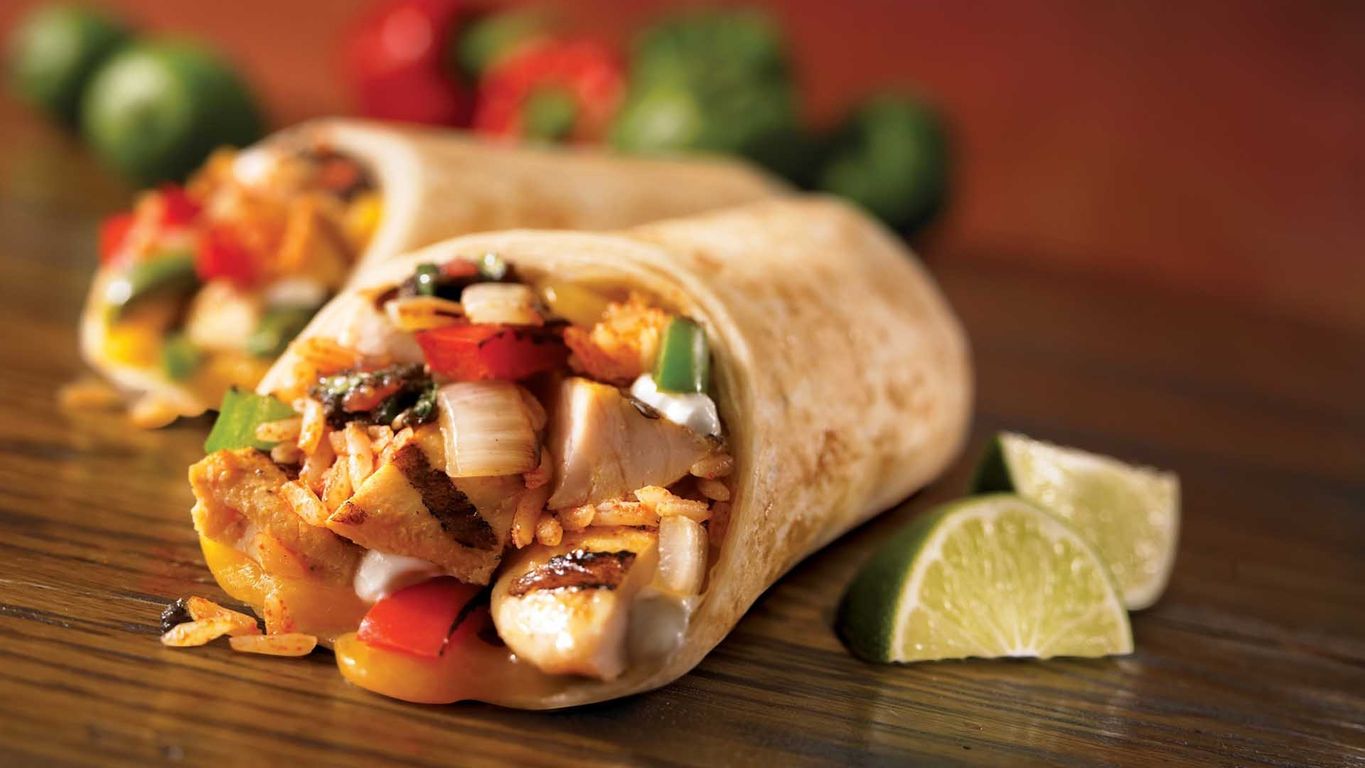
Costa Rican food does not get the international hype of Mexican or Peruvian cuisine, and that is partly fair — this is comfort food, not avant-garde gastronomy. But after a week of eating my way across the country, I can tell you that the best Costa Rican meals are deeply satisfying, and the price-to-quality ratio is outstanding if you know where to look.
Start with gallo pinto, the national breakfast dish. It is rice and black beans fried together with onion, red pepper, and a generous splash of Salsa Lizano — a tangy, slightly sweet brown sauce that Costa Ricans put on absolutely everything. A proper gallo pinto plate at a local soda (a casual family-run restaurant) comes with scrambled eggs, fried plantain, a wedge of salty white cheese called queso fresco, and a cup of coffee, all for around 3,000 to 4,000 CRC (6 to 8 USD). I had my best at Soda Viquez in San Jose, where the rice had a smoky char from the pan and the beans were creamy, not mushy.
Lunch is casado country. The word means “married,” supposedly because the dish is what a wife would prepare for her husband — a plate of rice, black beans, fried sweet plantain, a small salad, and a choice of chicken, fish, pork, or beef. At a roadside soda, a casado runs 3,500 to 5,000 CRC (7 to 10 USD). At a tourist restaurant, expect to pay 6,000 to 9,000 CRC (12 to 18 USD) for basically the same thing with a nicer tablecloth. My favorite was at Soda La Parada in La Fortuna — the grilled tilapia was pulled from a nearby farm pond that same morning.
Ceviche in Costa Rica differs from the Peruvian style. It is typically made with corvina or tilapia, diced small and marinated longer in lime juice, mixed with finely chopped onion, cilantro, and sweet red pepper. Served with saltine crackers or tortilla chips, it is the perfect Pacific-coast snack. In Manuel Antonio, El Avion serves a generous bowl for 6,500 CRC (13 USD) alongside a view that would cost fifty dollars in a lesser restaurant. For something more upscale, Restaurante Silvestre in San Jose’s Barrio Amon reimagines traditional ingredients with modern technique — their heart-of-palm ceviche (8,000 CRC / 16 USD) was a revelation.
Do not leave without trying a Churchill in the Puntarenas area — a towering shaved-ice dessert loaded with condensed milk, powdered milk, syrup, and fruit. It is aggressively sweet and absolutely fantastic in the heat. Also seek out patacones (fried and smashed green plantain discs) and chifrijo — a bar snack of rice, beans, chicharrones, and pico de gallo served in a bowl. The best chifrijo I found was at Bar y Restaurante La Casa del Marisco in Quepos (4,500 CRC / 9 USD).
Planning tip: Eat at sodas whenever possible. These family-run spots are cheaper, the food is fresher, and you will interact with locals instead of other tourists. Look for the ones packed with Ticos at lunchtime — that is your quality signal.
4. LA FORTUNA WATERFALLS AND ADVENTURE ACTIVITIES
La Fortuna is the adventure capital of Costa Rica, and the options can feel overwhelming. I will simplify: there are two things you absolutely must do, and everything else is a matter of taste and budget.
First, the Catarata de La Fortuna (entrance 10,200 CRC / 20 USD). This 70-meter waterfall plunges into a pool of cool blue-green water at the base of a mossy canyon. The walk down is 500 concrete steps through dense forest — manageable but sweaty. Swimming in the pool at the bottom, with the falls thundering in front of you and toucans calling from the canopy above, is one of those travel moments that lives in your chest long after you dry off. Go early — gates open at 7:30 a.m. and by 10 a.m. the steps are a conga line of tour groups.
Second, a hike in Arenal Volcano National Park (entrance 8,160 CRC / 16 USD for foreigners). The park has several well-marked trails ranging from thirty minutes to three hours. The Coladas Trail crosses old lava flows from the 1968 eruption — a surreal moonscape where pioneer plants have started reclaiming the black rock. On a clear day the views of both Arenal and the distant Cerro Chato volcano are extraordinary.
Beyond the essentials, La Fortuna offers white-water rafting on the Rio Pacuare (from 51,000 CRC / 100 USD for a full-day Class III-IV trip with Desafio Adventure Company), ziplining (from 43,350 CRC / 85 USD with Arenal Sky Adventures), canyoneering and rappelling down waterfalls (from 46,410 CRC / 91 USD with Pure Trek), and stand-up paddleboarding on Lake Arenal (from 30,600 CRC / 60 USD). I did the canyoneering and it was the biggest adrenaline hit of the trip — rappelling backward down a 60-meter waterfall while water hammers your helmet is not something you forget.
One honest warning: adventure tourism operators in La Fortuna vary in quality. Book directly or through established companies, not through random guys with laminated flyers in the town square. Check that operators are ICT-certified (the Costa Rican tourism board) and ask about safety records. The reputable companies are happy to answer; the sketchy ones change the subject.
Planning tip: Haggle on tours booked through your hotel — markups of 15 to 30 percent are standard. Walk to the operator’s office in town and book direct to save real money. Most offer free hotel pickup regardless.
5. MONTEVERDE CLOUD FOREST AND HANGING BRIDGES
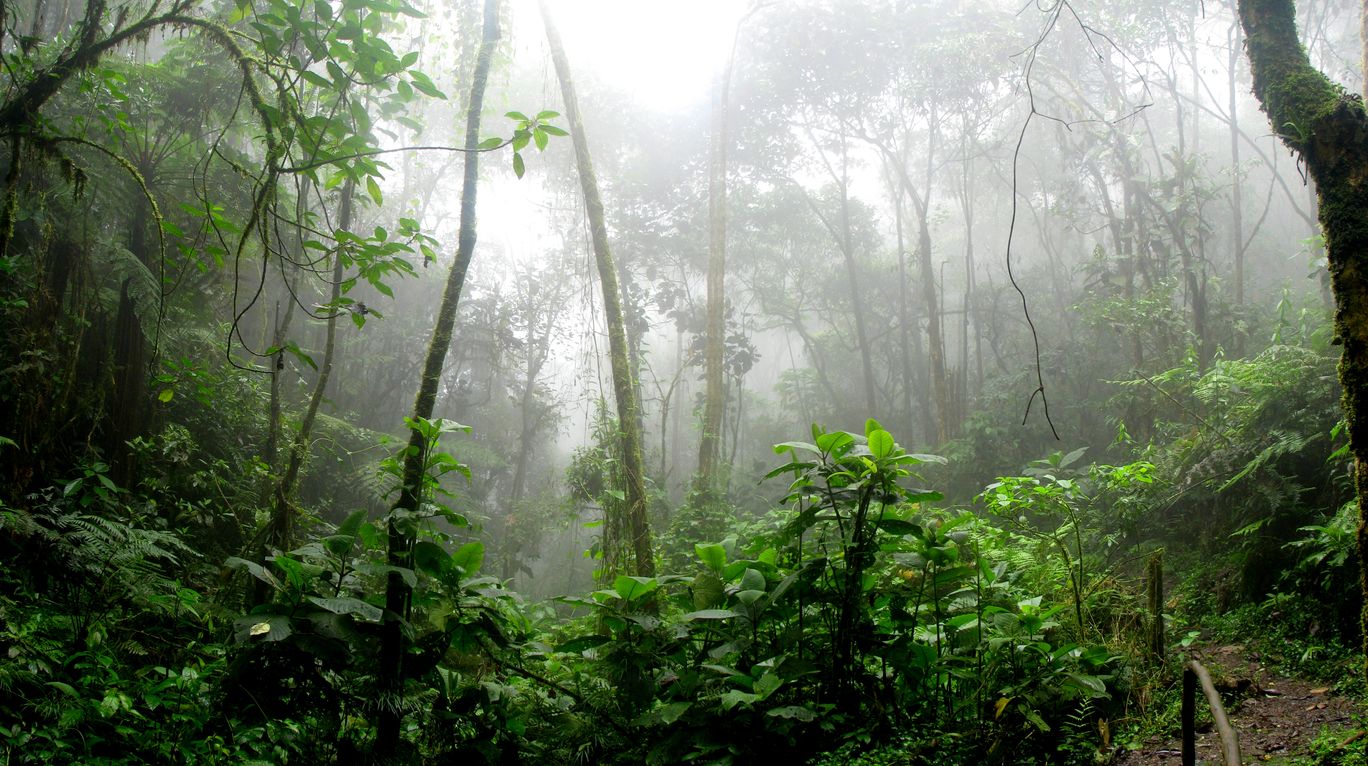
Getting from La Fortuna to Monteverde is one of the trip’s logistical puzzles. The direct road is a bone-rattling gravel track that takes about three hours. The paved alternative loops down to the Pan-American Highway and back up — five hours minimum. Most travelers take the Jeep-Boat-Jeep transfer (from 12,750 to 17,850 CRC / 25 to 35 USD), which crosses Lake Arenal by boat and connects with a 4×4 on the other side. It takes about four hours and the lake crossing is gorgeous — wind in your hair, volcanoes on the horizon, herons lifting off the shallows.
Monteverde sits at about 1,400 meters elevation, and you feel it immediately. The air is cooler, wetter, and the light has a soft quality filtered through permanent mist. I checked into Hotel Belmar (from 91,800 CRC / 180 USD per night), a sustainably-built lodge with views over the Gulf of Nicoya and its own on-site brewery. For budget travelers, Sleepers Hostel (dorms from 8,670 CRC / 17 USD, privates from 25,500 CRC / 50 USD) is clean, social, and centrally located in Santa Elena.
There are two main reserves here: Monteverde Cloud Forest Reserve (entrance 12,750 CRC / 25 USD) and Santa Elena Cloud Forest Reserve (entrance 10,200 CRC / 20 USD). Monteverde is larger, more famous, and limits daily visitors — book online at least a day ahead during high season (December through April). Santa Elena is quieter, slightly higher in elevation, and run by the local community. I preferred Santa Elena for birding and Monteverde for overall trail diversity.
The hanging bridges are a separate attraction. Selvatura Park (bridges and gardens combo 27,540 CRC / 54 USD) has eight suspension bridges up to 170 meters long, strung at canopy height through primary cloud forest. Walking across them, swaying slightly in the wind with orchids and bromeliads at eye level, you realize just how much life exists above the forest floor. I spotted a resplendent quetzal on a bridge near the park entrance — its iridescent green tail feathers trailing like a living emerald streamer. My guide told me we were lucky. I choose to believe it was destiny.
The cloud forest is also home to the golden toad — or it was, until the species went extinct around 1989, likely due to climate change. Interpretive signs in the reserve tell the story, and it adds a sobering weight to the beauty around you. Conservation is not abstract here. It is the reason these forests still stand.
Planning tip: Hire a naturalist guide (from 15,300 to 20,400 CRC / 30 to 40 USD per person for a 2-3 hour tour). The cloud forest looks like a wall of green to the untrained eye. A guide will show you camouflaged insects, sleeping birds, and tiny glass frogs you would walk right past on your own. It transforms the experience completely.
6. NIGHT TOURS AND WILDLIFE SPOTTING
Costa Rica’s wildlife does not punch a clock, but some of the most extraordinary creatures are strictly nocturnal. A guided night tour was, hands down, the most unexpectedly thrilling thing I did on this trip. I went with Monteverde Night Tours by Juan Castro (15,300 CRC / 30 USD per person) on a humid evening in the transition zone between cloud forest and farmland.
Within the first ten minutes, our guide had located a sleeping emerald toucanet tucked into a tree hollow, a red-eyed tree frog clinging to the underside of a broad leaf, and a Mexican hairy dwarf porcupine curled into a ball on a high branch. The guide’s flashlight moved like a surgeon’s hand — quick, precise, never lingering long enough to disturb the animal. Over two hours we saw two species of pit viper (the eyelash viper, butter-yellow and coiled on a branch at face height, made my blood run cold), a kinkajou, three species of sleeping hummingbird, and a tarantula the size of my palm sitting calmly in a silk-lined burrow.
Night tours are also offered in La Fortuna and Manuel Antonio. In La Fortuna, Arenal Natura Ecological Park (15,300 CRC / 30 USD) runs guided walks through a manicured reserve with good odds of seeing sloths, caimans, and poison dart frogs. In Manuel Antonio, The Night Tour with Brian is a local favorite — Brian is a biologist who has been guiding in the area for over fifteen years and runs small groups of four to six people (17,850 CRC / 35 USD per person).
A few practical notes: wear long pants, closed-toe shoes, and bring insect repellent with DEET. Mosquitoes are aggressive at dusk. Bring your own flashlight with a red filter if possible — red light is less disruptive to wildlife. Most guides provide flashlights, but having your own lets you look around independently. Keep your phone camera ready but manage expectations. Photographing a frog on a leaf in the dark with a phone is an exercise in frustration. A small camera with manual ISO and flash settings will serve you far better.
Planning tip: Book night tours for your first evening in each location. If it rains (and it will), you have a backup evening. Most operators will reschedule for free if weather truly makes the tour impossible, but light rain actually improves wildlife sightings — frogs and insects are more active.
7. MANUEL ANTONIO BEACHES AND NATIONAL PARK
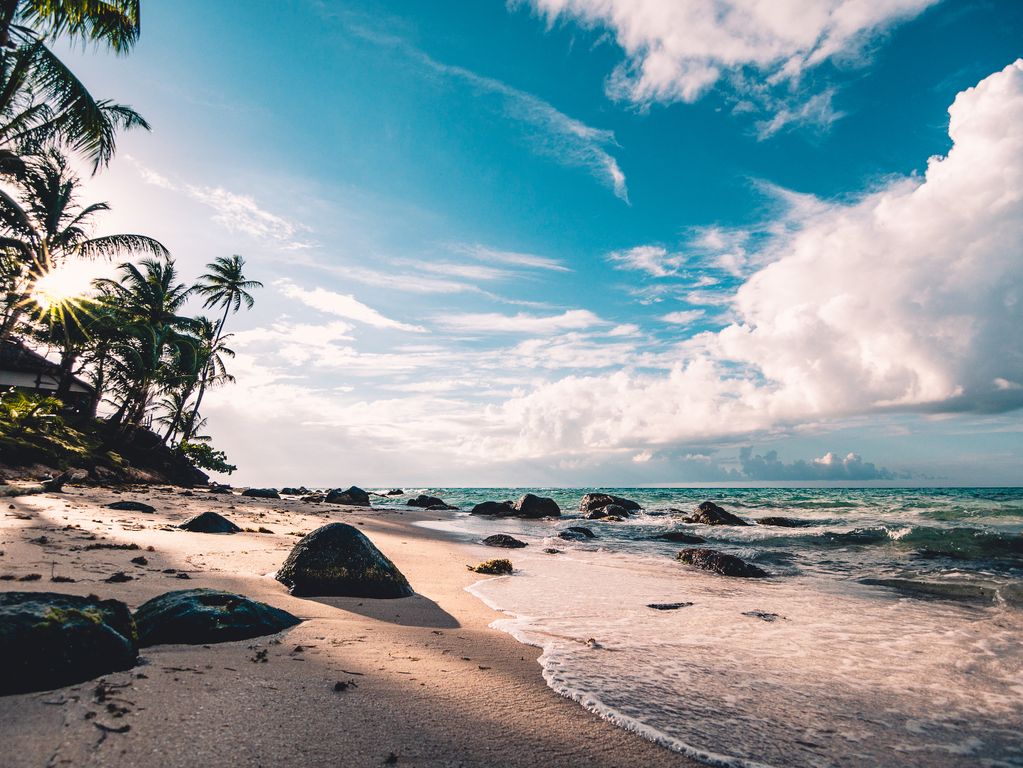
After the cool mist of Monteverde, arriving at the Pacific coast feels like stepping into a warm bath. The shuttle from Santa Elena to Manuel Antonio takes about five to six hours and drops through climate zones like chapters in a textbook — cloud forest to dry tropical hills to humid coastal lowland. I pulled into Quepos, the gateway town, damp with sweat and ready for the ocean.
I stayed at Hotel Si Como No (from 107,100 CRC / 210 USD per night), an eco-resort on the hill between Quepos and the park entrance with infinity pools and a butterfly garden. It is the best mid-range splurge in the area. For budget travelers, Hostel Plinio (dorms from 9,180 CRC / 18 USD) in Quepos is solid. For luxury, Arenas del Mar (from 229,500 CRC / 450 USD per night) has its own private beach access and is the kind of place where you briefly forget money is a concept.
Manuel Antonio National Park (entrance 9,180 CRC / 18 USD for foreigners) is Costa Rica’s smallest national park and its most visited. It packs an absurd density of wildlife into 1,983 hectares of forest and coastline. Within twenty minutes of entering, I had seen white-faced capuchin monkeys raiding a backpack (zip it up, they are brazen), a three-toed sloth moving at geological speed across a cecropia tree, and an agouti scurrying across the trail like an overgrown guinea pig. The park’s beaches — Playa Espadilla Sur and Playa Manuel Antonio — are stunners, with calm turquoise water sheltered by rocky headlands and backed by dense jungle.
The park limits daily visitors to 1,356 and requires advance online booking through the SINAC website. During high season, tickets sell out days ahead — book at least 48 hours in advance. Gates open at 7 a.m. and close at 3 p.m. Closed on Mondays. I went at 7 a.m. on a Wednesday and had the first hour almost to myself, which felt like a small miracle. By 10 a.m. the main trail was busy.
Outside the park, Playa Espadilla Norte is a long public beach with waves suitable for beginner surfing. Board rentals run about 5,100 CRC (10 USD) per hour from the shacks near the park entrance. For a half-day catamaran tour with snorkeling and lunch, Planet Dolphin charges around 45,900 CRC (90 USD) — dolphins are common and humpback whales visit from August through October and December through March.
Planning tip: Hire a park guide at the entrance (from 10,200 CRC / 20 USD per person for 2 hours in a small group). The guides carry spotting scopes and know exactly which trees the sloths are sleeping in. Without a guide I would have missed the sloth entirely — it looked like a clump of dead leaves until the guide aimed his scope and suddenly I was staring into a placid, furry face blinking back at me.
8. GETTING AROUND: TRANSPORT GUIDE

Costa Rica’s transport options range from dirt-cheap local buses to domestic flights that save half a day of driving. Here is the honest breakdown for the San Jose to Arenal to Monteverde to Manuel Antonio route, tested across multiple trips.
Shared shuttle vans are the most popular option for tourists. Companies like Interbus and Ride CR run fixed-schedule door-to-door service between major destinations. San Jose to La Fortuna costs 25,500 to 28,050 CRC (50 to 55 USD). La Fortuna to Monteverde via the Jeep-Boat-Jeep is 12,750 to 17,850 CRC (25 to 35 USD). Monteverde to Manuel Antonio runs 25,500 to 28,050 CRC (50 to 55 USD). Total transport cost for the full route: roughly 63,750 to 73,950 CRC (125 to 145 USD) per person. Shuttles are comfortable, air-conditioned, and pick up from most hotels. The downside: fixed schedules (usually one or two departures per day) and no freedom to stop when you spot a sloth crossing the road.
Public buses are the budget choice. The Terminal 7-10 in San Jose runs buses to La Fortuna for about 2,800 CRC (5.50 USD) — the ride takes four to five hours with stops. From La Fortuna, there is no direct public bus to Monteverde; you will need to backtrack through Tilaran, making it a seven-hour ordeal for about 4,000 CRC (8 USD) total. From Monteverde to Quepos (Manuel Antonio), you will connect through Puntarenas — another long day for about 5,000 CRC (10 USD). Total: under 12,000 CRC (24 USD), but you pay in time and comfort. I recommend this only for travelers with flexible schedules and strong bladders.
Rental cars offer maximum freedom. A basic 4×4 (essential for the Monteverde roads) costs 25,500 to 45,900 CRC (50 to 90 USD) per day through Adobe Rent a Car or Vamos Rent-A-Car, both reputable local agencies with better rates and service than the international chains at the airport. Add 10,200 CRC (20 USD) per day for mandatory insurance and about 5,100 CRC (10 USD) per day for gas. Total for seven days: roughly 280,500 to 535,500 CRC (550 to 1,050 USD) depending on vehicle class. Be aware: Costa Rican roads range from excellent (the highway to Quepos) to harrowing (the gravel switchbacks to Monteverde). Drive with high clearance, carry a paper map as backup, and never drive rural roads after dark — livestock, potholes, and unmarked speed bumps are real hazards.
Domestic flights with Sansa Airlines connect San Jose (Tobias Bolanos domestic airport or SJO) to Quepos in 25 minutes for about 40,800 to 71,400 CRC (80 to 140 USD) one way. There is no airport near Monteverde or La Fortuna, so flights only help for the final leg. Useful if you are short on time but not a budget move.
Planning tip: The sweet spot for most travelers is shared shuttles for the long hops and a rental car only if you are traveling in a group of three or more (splitting costs makes it competitive with shuttles while giving you total flexibility). Solo travelers and couples should stick with shuttles and save hundreds.
9. BUDGET BREAKDOWN: THREE TIERS

Costa Rica has a reputation as the priciest country in Central America, and it is not undeserved. But the gap between a backpacker trip and a luxury blowout is enormous. Here is what seven days on this exact route costs at three levels, based on actual spending tracked across trips. All prices are per person, assuming double occupancy for accommodation.
| Category | Budget | Mid-Range | Comfort |
|---|---|---|---|
| Accommodation (7 nights) | 59,670 CRC / 117 USD | 255,000 CRC / 500 USD | 714,000 CRC / 1,400 USD |
| Food (7 days) | 71,400 CRC / 140 USD | 153,000 CRC / 300 USD | 306,000 CRC / 600 USD |
| Transport | 12,240 CRC / 24 USD | 73,950 CRC / 145 USD | 357,000 CRC / 700 USD |
| Activities and Parks | 51,000 CRC / 100 USD | 127,500 CRC / 250 USD | 255,000 CRC / 500 USD |
| Miscellaneous | 15,300 CRC / 30 USD | 30,600 CRC / 60 USD | 51,000 CRC / 100 USD |
| TOTAL (7 days, per person) | 209,610 CRC / 411 USD | 640,050 CRC / 1,255 USD | 1,683,000 CRC / 3,300 USD |
The budget tier assumes hostel dorms, soda meals, public buses, and free or low-cost activities like public beaches and hiking. The mid-range tier covers decent private hotels, a mix of soda and restaurant meals, shuttle transport, and guided tours. The comfort tier includes boutique lodges, restaurant dining with drinks, a rental 4×4, and premium activity packages including rafting, canyoneering, and catamaran tours.
A few spending notes: alcohol is moderately expensive. A Imperial lager (the national beer) costs 1,500 to 2,500 CRC (3 to 5 USD) at a bar. Cocktails run 3,500 to 6,000 CRC (7 to 12 USD). Tap water is safe to drink throughout this route — carry a reusable bottle and skip the bottled water. ATMs are widely available in La Fortuna, Quepos, and Santa Elena, but bring enough cash for Monteverde’s smaller establishments. Many places accept USD, but you will get change in colones, often at a slightly unfavorable rate. Use colones whenever possible.
Planning tip: The single biggest way to save money is eating at sodas for at least two meals a day. The difference between a 3,500 CRC soda casado and a 12,000 CRC restaurant casado is mostly ambiance, not quality. Over seven days, that choice alone saves 60,000 CRC (roughly 118 USD) per person.
10. CULTURAL ETIQUETTE AND SAFETY

Costa Ricans — Ticos, as they call themselves — are among the friendliest people I have encountered anywhere in Latin America. The national phrase “pura vida” (literally “pure life”) functions as a greeting, a farewell, an expression of gratitude, and a general philosophy of taking things as they come. Use it freely. It is never wrong and always appreciated.
A few cultural pointers: greetings matter. A simple “buenos dias” (good morning), “buenas tardes” (good afternoon), or “buenas noches” (good evening) when entering a shop, restaurant, or bus makes a visible difference in how you are received. Costa Ricans consider it rude to launch into a request without a greeting first. Tips are not mandatory — a 10 percent service charge is included in restaurant bills by law — but leaving an additional 5 to 10 percent for good service is appreciated and increasingly common. Tip tour guides 2,550 to 5,100 CRC (5 to 10 USD) per person for a half-day tour.
Spanish helps enormously but is not essential on this route. Most hotel staff, tour operators, and restaurant workers in tourist areas speak functional English. In San Jose and off the beaten path, Spanish is more important. Even a handful of phrases — “la cuenta, por favor” (the check, please), “donde esta…” (where is…), “cuanto cuesta” (how much does it cost) — earns genuine warmth. Ticos appreciate the effort even when your grammar is terrible.
On safety: Costa Rica is one of the safest countries in Central America, but it is not without risk. The biggest threats to tourists are petty theft (especially in San Jose, at crowded beaches, and at trailhead parking lots) and road accidents. Lock valuables in hotel safes. Do not leave anything visible in a parked car — break-ins at trailheads near Manuel Antonio and Monteverde are well-documented. Swim only at guarded beaches or where locals swim — rip currents on the Pacific coast are powerful and claim several tourists each year. Playa Espadilla Norte at Manuel Antonio has lifeguards; many other beaches do not.
The sun is fierce at this latitude. I burned badly on day three despite believing I had applied enough sunscreen. Use reef-safe SPF 50, reapply every two hours, and wear a hat. Dehydration sneaks up fast when you are hiking — carry at least two liters of water on any trail. Dengue and Zika are present but rare at the elevations and areas on this route. Still, wear repellent at dawn and dusk, and sleep under a fan or air conditioning — mosquitoes dislike moving air.
Planning tip: Buy travel insurance before you go. A medical evacuation from Monteverde or a remote trail can cost tens of thousands of dollars without coverage. World Nomads and SafetyWing both offer affordable policies that cover adventure activities. Costa Rica’s public healthcare system is good, but private clinics — which tourists typically use — are pay-upfront, and a simple ER visit with diagnostics can cost 255,000 CRC (500 USD) or more.
YOUR ROUTE AT A GLANCE
| Day | Destination | Highlights | Travel Time |
|---|---|---|---|
| Day 1 | San Jose | Mercado Central, Museo del Oro, Barrio Escalante dining | Airport to city: 30 min |
| Day 2 | La Fortuna / Arenal | Arenal Volcano views, hot springs at Eco Termales or Tabacon | San Jose to La Fortuna: 3-4 hours |
| Day 3 | La Fortuna / Arenal | La Fortuna Waterfall, Arenal National Park, canyoneering or rafting | Local travel only |
| Day 4 | Monteverde | Jeep-Boat-Jeep transfer, Santa Elena town, night tour | La Fortuna to Monteverde: 4 hours |
| Day 5 | Monteverde | Cloud forest reserve, hanging bridges at Selvatura, coffee tour | Local travel only |
| Day 6 | Manuel Antonio | Shuttle to coast, Playa Espadilla Norte, sunset at El Avion | Monteverde to Manuel Antonio: 5-6 hours |
| Day 7 | Manuel Antonio | Manuel Antonio National Park, wildlife spotting, beach day | Local travel only |
This article contains affiliate links for hotels and tour operators. If you book through these links, we earn a small commission at no extra cost to you — it helps keep this site running and funds future research trips. We only recommend places we have personally visited and paid for.
Updated July 2026. Prices verified during field research. Exchange rate used: 1 USD = 510 CRC. Costa Rica widely accepts US dollars for tourist services, but you will generally receive a better rate paying in colones. Check current exchange rates before your trip, as the colon fluctuates seasonally.
