
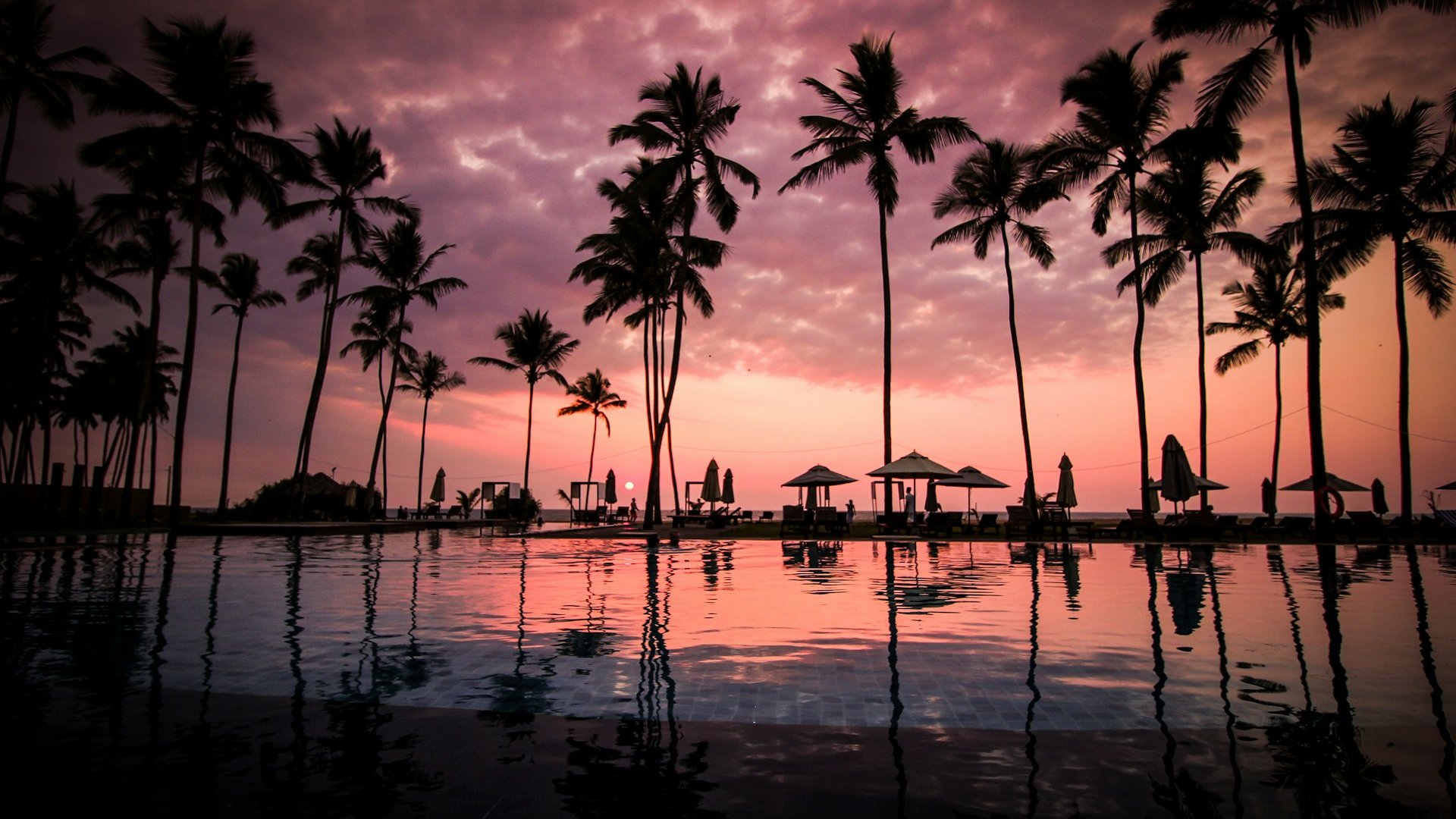
The tuk-tuk driver swerved around a cart piled high with dragonfruit, honked twice at a motorbike carrying an entire family of five, and deposited me on a crumbling sidewalk outside the Royal Palace as the Phnom Penh sun turned the Tonle Sap River to liquid copper. I had seven days, a loose itinerary scrawled on the back of a boarding pass, and a single conviction: Cambodia would rearrange everything I thought I knew about Southeast Asia. It did. Over the next week I traced a route from the frenetic capital through the colonial charm of Battambang, into the ancient stone labyrinths of Angkor, and out onto the vast, shimmering expanse of Tonle Sap lake. This is the trip, day by day, dollar by dollar, with every tip I wish someone had handed me before I boarded that first tuk-tuk.
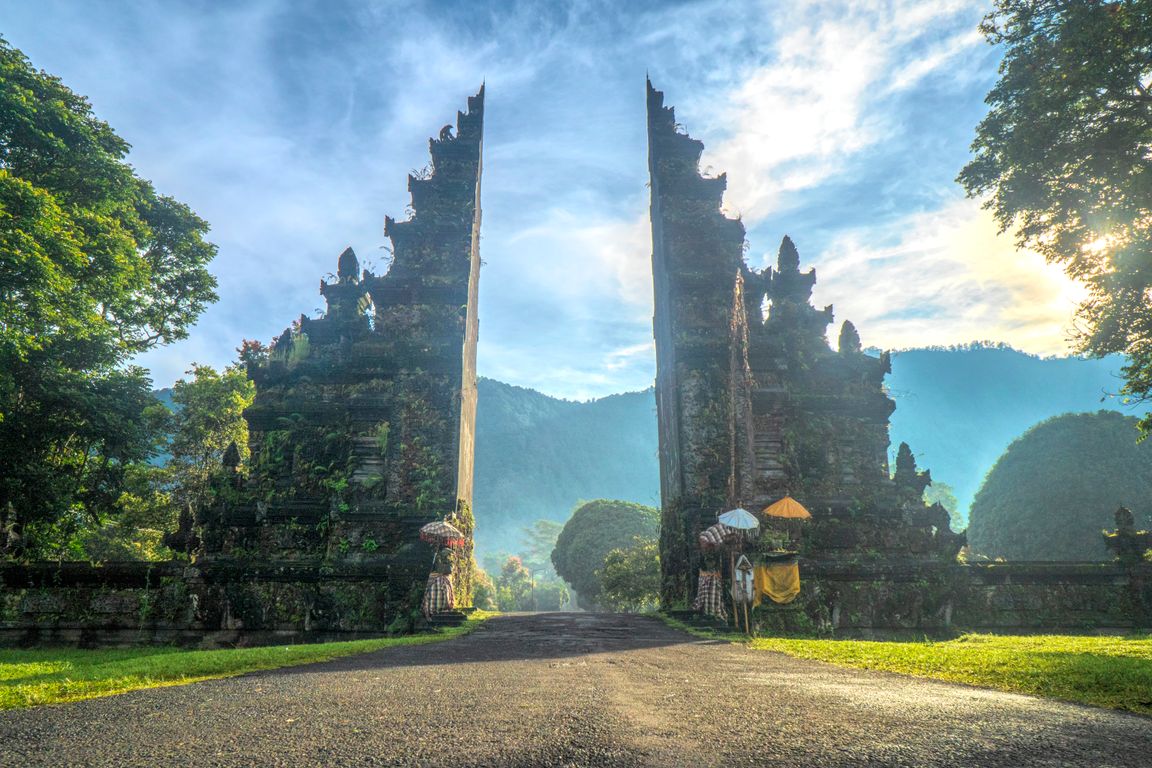
Cambodia is a country that asks you to hold wonder and heartbreak in the same breath. You will stand inside one of humanity’s greatest architectural achievements before lunch and confront one of its darkest chapters before dinner. That emotional whiplash is not a flaw in the itinerary — it is the itinerary. Pack light, bring patience, and leave room in your bag for a bottle of Kampot pepper and a heart slightly larger than the one you arrived with.
1. THE ROYAL PALACE AND SILVER PAGODA: PHNOM PENH’S GILDED HEART
I arrived at the Royal Palace at 8:00 a.m., fifteen minutes after the gates opened, and for a brief window I had the Throne Hall courtyard nearly to myself. The complex sits on the west bank of the Tonle Sap River at Samdach Sothearos Boulevard, and the $10 USD entry fee includes access to both the palace grounds and the Silver Pagoda next door. A guided tour adds another $10 and is worth every cent — our guide, a former history professor, narrated six centuries of Khmer monarchy with the dramatic pacing of a thriller novelist.
The Throne Hall itself is off-limits (it is still used for royal ceremonies), but you can peer through the doors at the gilded interior. The real showstopper is the Silver Pagoda, officially named Wat Preah Keo Morakot, whose floor is tiled with more than 5,000 silver blocks weighing one kilogram each. Inside, a life-sized gold Buddha encrusted with 9,584 diamonds commands the room. Photography is forbidden inside the pagoda, so put the phone away and just look. The frescoes lining the exterior gallery depict the Ramayana in extraordinary detail; many panels were damaged during the Khmer Rouge years and the unrestored sections serve as a quiet, powerful reminder of what was nearly lost.
After the palace, I walked south along the Sisowath Quay riverfront promenade. The strip is touristy, yes, but the breeze off the river and the parade of monks in saffron robes make it impossible to resist. I stopped at Foreign Correspondents’ Club (FCC) for a cold Angkor draught beer ($2.50) and watched cargo boats drift past from the second-floor balcony. If the FCC feels too polished, duck one block inland to Street 136, where local restaurants serve rice and prahok (fermented fish paste) plates for $2 or less.
By late afternoon I crossed to the National Museum of Cambodia, a terracotta-red building housing the world’s finest collection of Khmer sculpture. Entry is $10 USD. The pre-Angkorian Vishnu statues on the ground floor are extraordinary, but do not miss the smaller bronze collection upstairs — the dancing Shiva is worth the climb. The central courtyard garden, with its lotus pond, is one of the most peaceful spots in a city that rarely pauses for breath.
Planning tip: The Royal Palace enforces a strict dress code — knees and shoulders must be covered. Sarong rentals are available outside the gate for about $2, but bringing your own avoids the queue. Visit early morning or late afternoon; the midday heat inside the shadeless courtyards is brutal.
2. TUOL SLENG AND THE KILLING FIELDS: BEARING WITNESS

There is no comfortable way to write about Tuol Sleng Genocide Museum (Security Prison 21, or S-21), and there should not be. The former high school in central Phnom Penh was converted into an interrogation and torture center by the Khmer Rouge in 1975. Of the estimated 17,000 people imprisoned here, only a handful survived. Entry costs $8 USD, and the audio guide ($3 extra) is narrated in part by two of those survivors. I recommend it without reservation — the voices anchor the experience in human specificity rather than abstracted horror.
The ground-floor rooms retain the crude iron bed frames to which prisoners were shackled. Upstairs, rows of black-and-white photographs stare from the walls — every prisoner was photographed upon arrival, and the meticulous record-keeping of the regime now serves as both evidence and memorial. Some visitors move through quickly. I spent nearly two hours and emerged into the courtyard sunlight feeling hollowed out but certain I had done the right thing by coming.
From Tuol Sleng, most visitors continue to the Choeung Ek Killing Fields, about 15 kilometers south of the city center. A tuk-tuk will make the round trip for $8 to $12, including waiting time. Entry is $6 USD with an excellent audio guide included. The site is a former orchard where prisoners from S-21 were brought to be executed. Mass graves, many still partially excavated, dot the grounds. After heavy rains, bone fragments and scraps of clothing still surface from the soil — a fact that makes the past feel terrifyingly present.
I want to be honest: this is an emotionally devastating morning. But Cambodia’s modern identity is inseparable from the Khmer Rouge period (1975 to 1979), during which an estimated 1.7 to 2.5 million people — roughly a quarter of the population — perished. Visiting these sites is not tragedy tourism if approached with genuine respect. Speak quietly, dress modestly, and give yourself time afterward to sit somewhere calm. I walked to Wat Phnom, the hilltop temple that gives the capital its name, and sat under a banyan tree until the city noise felt manageable again.
Planning tip: Visit Tuol Sleng first (it opens at 8:00 a.m.) and Choeung Ek second. Avoid large group tours if possible — the sites demand personal space and silence. Children under 12 may find the content distressing; use your judgment.
3. A DEEP DIVE INTO CAMBODIAN FOOD: FROM FISH AMOK TO STREET-SIDE NUM BANH CHOK
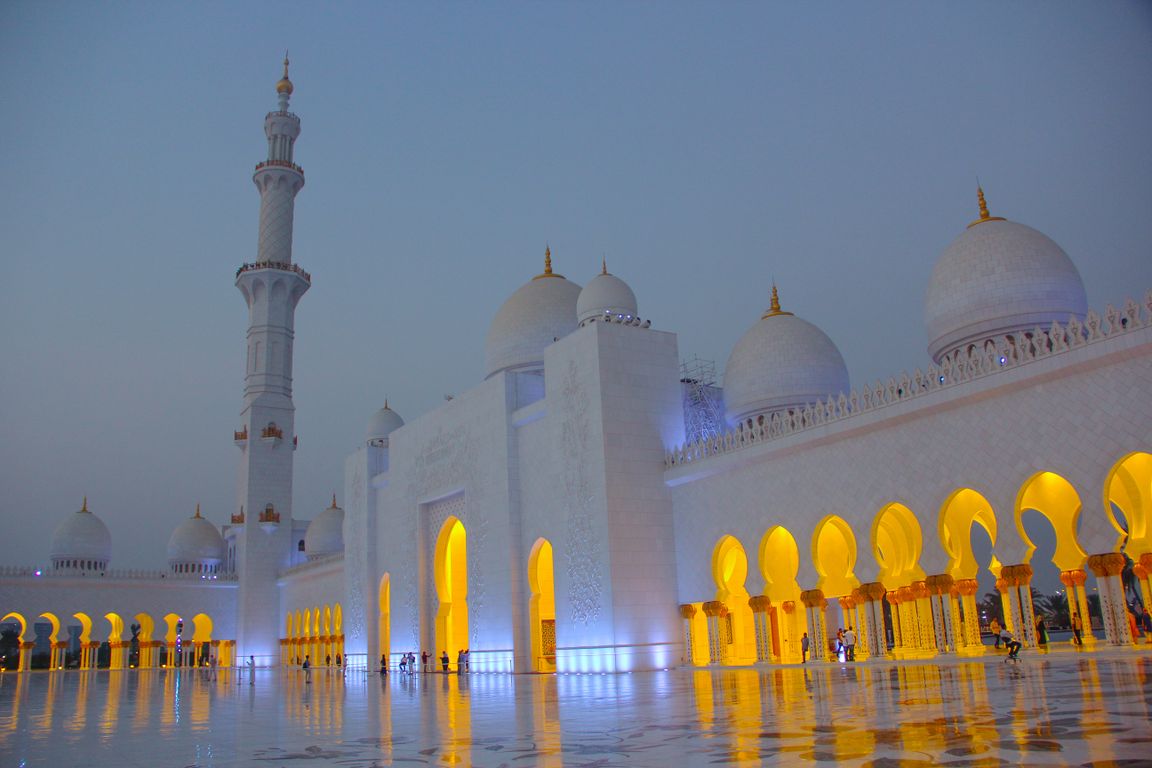
Cambodian cuisine lives in the shadow of its Thai and Vietnamese neighbors, and that is a travesty. The flavors here are gentler — less chili heat, more lemongrass and galangal, with a backbone of prahok (fermented fish paste) that gives dishes an earthy, umami depth unlike anything else in the region. My education began at Romdeng, a training restaurant on Street 174 in Phnom Penh run by the NGO Friends International, where former street youth learn hospitality skills. The fish amok ($6.50) arrived in a banana-leaf cup, the snakehead fish tender inside a steamed coconut-and-kroeung curry that tasted like a sunset felt. I ordered a second one. No regrets.
For lok lak, the stir-fried beef dish served atop a salad with a lime-and-black-pepper dipping sauce, I followed a local journalist’s recommendation to Malis Restaurant on Norodom Boulevard. Chef Luu Meng is credited with elevating Khmer cuisine to fine-dining status, and his lok lak ($9) uses premium Kampong Cham beef seared at volcanic heat. The dining room is stunning — a converted 1960s villa with a lotus pond — but the flavors are what you will remember. Budget travelers should know that lok lak at a street stall costs $2 to $3 and is often just as satisfying, if less photogenic.
Breakfast in Cambodia means num banh chok, rice noodles draped in a green fish curry sauce and topped with raw bean sprouts, banana blossom, and mint. Every market has a stall, but the version at the Central Market (Psar Thmei) in Phnom Penh, served by a woman who has apparently occupied the same stall for thirty years, cost me $1.25 and might have been the best single meal of the trip. Nearby, I tried bai sach chrouk (grilled pork over broken rice with a side of broth, $1.50), which Cambodians eat like Americans eat cereal — quickly, daily, and with deep affection.
Street food in Siem Reap clusters along Street 60 and at the Old Market (Psar Chas). Grilled skewers of chicken or pork go for $0.50 to $1. Fried tarantulas (a Cambodian specialty from the town of Skuon) appear on adventurous menus for $1 to $2; they taste like soft-shell crab, if soft-shell crab had legs. Kampot pepper, considered among the world’s finest, appears in everything from stir-fried crab to ice cream. Buy a bag at any market ($3 to $5) and your home cooking will never be the same.
Planning tip: Take a cooking class. Lily’s Secret Garden Cooking Class in Siem Reap ($25 for a half-day session including market tour) teaches you to make amok, spring rolls, and mango sticky rice in an outdoor kitchen surrounded by banana trees. Book at least two days ahead — it fills up fast.
4. BATTAMBANG: BAMBOO TRAINS, COLONIAL FACADES, AND CAMBODIA’S BEST-KEPT SECRET
Most travelers bolt from Phnom Penh straight to Siem Reap. I took the detour to Battambang, Cambodia’s second-largest city, and it became the unexpected highlight of the trip. The journey from Phnom Penh takes about five hours by bus (Capitol Tours and Mekong Express both run the route; tickets are $8 to $10) through flat rice-paddy country that turns electric green during the wet season.
Battambang’s compact center retains some of the finest French colonial architecture in Cambodia — crumbling shophouses with wrought-iron balconies line the Sangkae River, and the old Governor’s Residence (now a museum, free entry) evokes a quieter era. I rented a bicycle from my guesthouse (Here Be Dragons, doubles from $15 per night) for $2 per day and spent a morning looping through side streets, stopping at Wat Ek Phnom, an 11th-century Angkorian temple ruin 12 kilometers north of town. The temple is modest by Angkor standards, but the solitude — I shared it with a single farmer and two water buffalo — was intoxicating.
The star attraction is the Battambang Bamboo Train (Norry). A bamboo platform mounted on abandoned railway wheels, powered by a small engine, clatters along a seven-kilometer stretch of French-era narrow-gauge track through rice paddies and rural villages. When two platforms meet head-on (there is only one track), the lighter load is disassembled and lifted off so the heavier one can pass. It is gloriously impractical and cost $5 per person for the return trip. The tourist version runs from a designated station south of town; a tuk-tuk there and back costs $3 to $5.
In the evening I joined a Battambang street food tour organized by Soksabike ($28 per person), a social enterprise that employs local guides and supports community projects. We ate nom krok (coconut rice cakes) sizzling in cast-iron molds, sampled palm sugar fresh from the tree, and ended with iced coffee at a riverside stall while bats streamed out from a limestone cave across the water. The bat exodus at Phnom Sampeau, visible at sunset, involves an estimated one million bats pouring from a cave mouth in a column that takes twenty minutes to empty. You can watch from a viewing area at the base of the hill for free.
Planning tip: Give Battambang at least one full day. The 7:00 a.m. bus from Phnom Penh arrives by noon, giving you an afternoon for the bamboo train and an evening for the bat caves. Onward buses and shared taxis to Siem Reap ($7 to $10, four hours) leave early morning.
5. ANGKOR WAT AT SUNRISE: THE MAIN TEMPLE CIRCUIT
I have seen photographs of Angkor Wat for decades. I have read the guidebooks, watched the documentaries, scrolled through thousands of Instagram posts. None of it prepared me for the moment I crossed the western causeway in the pre-dawn darkness and the temple resolved from shadow into stone. Angkor Wat is the largest religious monument on Earth, built in the early 12th century by King Suryavarman II as a Hindu temple dedicated to Vishnu and later converted to Buddhism. It faces west — unusual for Khmer temples — and this orientation creates the famous sunrise silhouette.
The Angkor Archaeological Park pass system offers three options: one-day ($37), three-day ($62, valid for ten days), and seven-day ($72, valid for a month). For this itinerary, the three-day pass is the clear winner. Purchase it at the official ticket office on Apsara Road; the process is quick and your photo is taken on-site. Your pass must be visible at every temple entrance.
For sunrise, arrive at Angkor Wat by 5:15 a.m. to secure a spot near the northern reflection pond, which provides the classic mirrored image. The best sunrise months are November through February, when skies are clearest. In July, cloud cover is common but can produce dramatic pink-and-gold light shows. I positioned myself to the left of the main crowd, sacrificing the perfect center-line reflection for breathing room, and it was the right call. By 6:30 a.m. the sunrise crowd disperses and you can explore the temple in relative calm.
Inside, the bas-relief galleries on the first level stretch nearly 800 meters and depict scenes from Hindu epics — the Churning of the Ocean of Milk on the east gallery is the most celebrated panel. The third level (the uppermost sanctuary) requires modest dress and involves steep stairs; a queue system limits numbers, so early morning or late afternoon minimizes waits. From the top, the view across the jungle canopy to the distant Kulen Mountains is staggering.
After Angkor Wat, I continued the Small Circuit (Petit Circuit) by tuk-tuk, hitting Angkor Thom’s South Gate, Bayon, and Ta Prohm in sequence (these get their own chapter below). A tuk-tuk driver for the full day costs $15 to $20. I hired Mr. Vanna, recommended by my guesthouse, who knew exactly when to arrive at each temple to dodge the bus-tour pulses and carried a cooler of cold water and wet towels. That cooler earned him a generous tip.
Planning tip: Bring a headlamp for the pre-dawn walk, at least two liters of water, and sunscreen. The temples have minimal shade. Wear shoes you can slip on and off easily — you will remove them at multiple sanctuaries. A $62 three-day pass spread across non-consecutive days lets you rest on the hottest afternoons.
6. ANGKOR THOM, BAYON, AND TA PROHM: FACES IN STONE AND ROOTS THROUGH WALLS
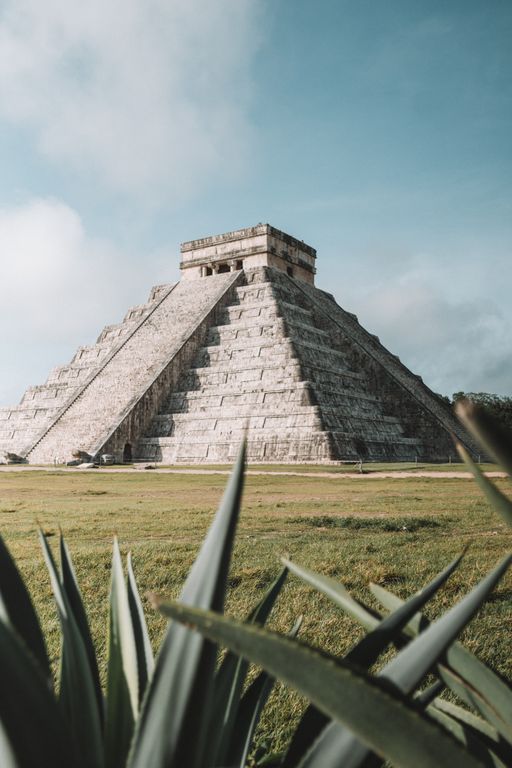
If Angkor Wat is the opening statement, Angkor Thom is the sprawling, stranger, more rewarding conversation that follows. The walled city, built by Jayavarman VII in the late 12th century, covers nine square kilometers and was once home to a million people — making it, at the time, one of the largest cities on Earth. You enter through the South Gate, a narrow causeway flanked by 54 stone devas (gods) on one side and 54 asuras (demons) on the other, each row pulling on the body of a giant naga serpent. The effect is theatrical, mythological, and deeply strange.
At the center sits Bayon, and nothing in Southeast Asia prepares you for it. The temple is a controlled avalanche of stone, a cluster of 37 towers (originally 49), each carved with four enormous faces gazing north, south, east, and west. The faces are believed to represent Jayavarman VII himself, or perhaps Avalokiteshvara, the bodhisattva of compassion — scholars still argue. Stand on the upper terrace at midday, when the light falls directly into the carved eyes, and the faces seem to watch you with an expression that hovers between amusement and pity. The ground-level bas-reliefs here are more intimate than Angkor Wat’s — they depict everyday Khmer life: market scenes, cockfights, childbirth, fishing, feasting. I spent an hour on the reliefs alone.
A ten-minute tuk-tuk ride east brings you to Ta Prohm, the temple that the restoration teams deliberately left in a state of romantic ruin. Silk-cotton and strangler fig trees have threaded their roots through doorways, across rooftops, and around carved apsara dancers, creating a spectacle of nature reclaiming architecture that is genuinely awe-inspiring. Yes, this is the “Tomb Raider temple” — the 2001 film shot scenes here — and the crowds can be thick by 10:00 a.m. I returned at 3:30 p.m. on my second Angkor day and had entire corridors to myself.
Do not overlook the smaller temples nearby. Preah Khan, a sprawling monastic complex north of Angkor Thom, receives a fraction of the visitors and rewards exploration with maze-like corridors, a rare two-story structure with round columns (unique in Khmer architecture), and an atmosphere of genuine discovery. Banteay Kdei, east of Ta Prohm, is similarly uncrowded and gorgeous in afternoon light. And if you have time on your third temple day, drive 25 kilometers north to Banteay Srei, a 10th-century temple carved from pink sandstone with the most intricate decorative work in the Angkor complex. The $62 pass covers all of these.
Planning tip: Spread your temple visits across three days to avoid exhaustion and heat stroke (both real risks). Day one: sunrise at Angkor Wat plus Small Circuit. Day two: Grand Circuit including Preah Khan and Neak Pean. Day three: Banteay Srei in the morning, return to Ta Prohm or Bayon for golden-hour photos. Hydrate aggressively — I drank four liters per day and still felt parched.
7. TONLE SAP FLOATING VILLAGES: LIFE ON THE WATER
Tonle Sap is the largest freshwater lake in Southeast Asia, and its annual rhythm defines Cambodian life. During the wet season (June through October), the Tonle Sap River reverses direction, and the lake swells from roughly 2,500 square kilometers to over 12,000 — a hydrological phenomenon unique on the planet. The communities living on and around the lake have adapted to this cycle for centuries, building houses on towering stilts or, in some cases, on floating platforms that rise with the water.
From Siem Reap, the most accessible floating village is Kompong Khleang, about 55 kilometers east. It is farther than the heavily touristed Chong Kneas (which I would skip — it has become a gauntlet of overpriced boat rides and aggressive souvenir sellers) but infinitely more authentic. I booked a half-day tour through Tara Boat ($35 per person including transport, boat, and guide) and found it well-organized and respectful. The drive through rice paddies and farming villages is itself worth the trip.
Kompong Khleang is a stilted village rather than a floating one — during the dry season, the houses tower absurdly high above mud flats, their stilts fully exposed. In wet season, the water reaches nearly to the floorboards. We motored through the village’s waterways in a long-tail boat, passing a floating school where children waved from the windows, a fish-processing platform where women sorted the day’s catch, and a pagoda built on a pontoon. Our guide explained the economics of Tonle Sap fishing (most families earn $3 to $8 per day) and the environmental pressures — upstream dams, overfishing, and climate change — that threaten a way of life that has endured for generations.
A boat trip to the open lake reveals the scale: in every direction, water and sky merge at a hazy horizon, punctuated by the silhouettes of fishing boats and the occasional treetop poking above the surface. We stopped at a floating fish farm where a family of six lived on a platform the size of a studio apartment, their livelihood — thousands of catfish — circling in nets below their kitchen floor. They offered us grilled fish and rice, refused payment, and asked only that we tell people their lake was worth protecting. I am doing that now.
Planning tip: Visit Tonle Sap in the wet season (July through October) for the full floating-village experience. Dry-season visits reveal the dramatic stilts but lack the waterborne atmosphere. Bring a waterproof bag for your camera and wear a hat — there is no shade on the lake. Avoid the Chong Kneas tours departing from the Siem Reap dock; opt for Kompong Khleang or Kompong Phluk (closer to Siem Reap, also stilted, about $25 per person with guide) for a more genuine experience.
8. GETTING AROUND CAMBODIA: TUKTUKS, BUSES, BOATS, AND THE ART OF NEGOTIATION
Cambodia’s transport network has improved dramatically in the past decade, but it still requires flexibility, humor, and a willingness to accept that “five hours” might mean seven. The country’s primary intercity roads (National Routes 1, 5, and 6) are now paved and in decent condition. Secondary roads remain unpredictable, especially in the wet season.
Tuk-tuks are the backbone of urban transport. In Phnom Penh and Siem Reap, short trips cost $1 to $3, while a full-day hire (eight to ten hours) runs $15 to $25 depending on distance. Always agree on the price before climbing in. The ride-hailing app Grab and the local alternative PassApp both operate in Phnom Penh and Siem Reap, providing metered fares that eliminate haggling — a Grab tuk-tuk from the Siem Reap airport to the town center costs about $5, versus $7 to $9 negotiated on the spot.
Intercity buses connect all major destinations. Giant Ibis Transport is the gold standard: modern coaches, functioning air conditioning, WiFi, a USB charging port at every seat, and free water and a snack. Phnom Penh to Siem Reap costs $18 and takes six hours via National Route 6. Mekong Express offers a similar service for $15. Capitol Tours is cheaper ($8 to $12) but less comfortable. Book online through the company websites or through Bookmebus.com, which aggregates schedules and allows mobile payment.
Boats run between Phnom Penh and Siem Reap via the Tonle Sap River and lake. The journey takes five to six hours in the wet season (when water levels are high) and is scenic but slow. Angkor Express Boat charges $35 one way. In the dry season, low water can cancel services entirely. The Battambang to Siem Reap boat ($20, four to eight hours depending on water level) is a traveler classic, winding through flooded forests and past riverside villages, but it runs irregularly and the wooden benches test your spine. Worth it once.
Domestic flights connect Phnom Penh and Siem Reap in 45 minutes. Cambodia Angkor Air and Lanmei Airlines operate multiple daily flights, with fares starting at $50 to $80 one way if booked in advance. The time savings are significant if your schedule is tight.
Planning tip: Rent a bicycle in Siem Reap ($2 to $3 per day from any guesthouse) for exploring the town and even some of the closer temples. E-bikes ($8 to $12 per day) extend your range. Motorbike rental is available ($8 to $15 per day) but Cambodian traffic is chaotic and medical facilities outside Phnom Penh are limited — ride at your own risk and wear a helmet. International driving permits are technically required but rarely checked; however, insurance claims may be denied without one.
9. BUDGET BREAKDOWN: WHAT CAMBODIA ACTUALLY COSTS IN 2026
Cambodia is one of the few countries in the world where the US dollar is the de facto currency. Hotels, restaurants, tour operators, and shops all price in USD and accept American bills. The Cambodian riel (KHR), at roughly 4,100 KHR to 1 USD, is used primarily for transactions under a dollar — think market snacks, small tips, and tuk-tuk rides in rural areas. ATMs dispense US dollars (usually in $50 or $100 bills, so break large notes at hotels or supermarkets early). Credit cards are accepted at upscale hotels and restaurants in Phnom Penh and Siem Reap but almost nowhere else. Carry cash.
Below is a realistic seven-day budget for the route outlined in this article, broken into three tiers. All prices are per person.
| Category | Backpacker | Mid-Range | Comfort |
|---|---|---|---|
| Accommodation (7 nights) | $56 ($8/night dorm) | $210 ($30/night double) | $560 ($80/night boutique) |
| Food and drink | $70 ($10/day) | $140 ($20/day) | $280 ($40/day) |
| Transport (intercity) | $35 | $55 | $130 |
| Transport (local tuk-tuks) | $30 | $55 | $80 |
| Angkor 3-day pass | $62 | $62 | $62 |
| Other entrance fees | $30 | $40 | $50 |
| Tours and activities | $25 | $70 | $150 |
| Miscellaneous | $20 | $40 | $80 |
| 7-day total | $328 | $672 | $1,392 |
| Daily average | $47/day | $96/day | $199/day |
Backpacker tier assumes dorm beds at hostels like Mad Monkey Phnom Penh ($6 to $10 per night) or Funky Flashpacker Siem Reap ($8 to $12), street food and local restaurants, shared minivans for intercity travel, and self-guided temple visits. It is tight but realistic if you skip cocktails and spa treatments.
Mid-range tier opens the door to private air-conditioned rooms at guesthouses like Eighty8 Backpackers in Phnom Penh (doubles from $25) or Soria Moria Boutique Hotel in Siem Reap (doubles from $35), a mix of restaurant meals and street food, Giant Ibis buses, and a couple of guided tours. This is the sweet spot for most travelers.
Comfort tier means boutique hotels like The Plantation in Phnom Penh (from $70) or Shinta Mani Angkor in Siem Reap (from $90), restaurant dining with drinks, private car transfers, and premium guided experiences. Cambodia’s luxury tier delivers extraordinary value compared to Thailand or Vietnam.
Planning tip: Cambodia has no tipping culture, but tips are deeply appreciated given average local wages. A dollar or two for a restaurant server, $3 to $5 for a full-day tuk-tuk driver, and $5 to $10 for a temple guide are generous by local standards. Always tip in small bills — getting change for a $50 or $100 note is a genuine challenge outside banks.
10. CULTURAL ETIQUETTE AND SAFETY: WHAT EVERY VISITOR SHOULD KNOW
Cambodia is a predominantly Theravada Buddhist country, and the rhythms of religious life are woven into daily experience. Monks are accorded enormous respect. Women should never touch a monk or hand something directly to one — place the item on a table or cloth and let him pick it up. When visiting temples (active pagodas, not just Angkor ruins), remove shoes and hats, cover knees and shoulders, and sit with your feet tucked behind you (pointing the soles of your feet at a Buddha image is considered deeply disrespectful).
The sampeah, a slight bow with palms pressed together at chest level, is the traditional Cambodian greeting. Using it instead of a handshake, especially with older people, will earn you immediate warmth. Cambodians are exceptionally polite and will avoid saying “no” directly — a smile accompanied by a vague answer often means the answer is no. Losing your temper, raising your voice, or displaying anger in public causes profound loss of face for everyone involved and will not get you what you want. Patience is not just a virtue here; it is the only functional strategy.
The head is considered the highest and most sacred part of the body. Do not touch anyone’s head, including children, no matter how cute they are. Conversely, feet are the lowest — do not point them at people or religious objects, and do not step over someone who is seated on the ground.
Safety in Cambodia is generally good for travelers exercising basic caution. Petty theft — phone snatching from motorbikes, bag slashing in crowded markets — is the primary risk in Phnom Penh and Siem Reap. Carry a cross-body bag worn in front, keep your phone in a zippered pocket, and avoid displaying expensive jewelry. Walking alone at night is generally safe on well-lit main streets in tourist areas but less advisable on dark side streets. Landmines remain a concern in rural areas, particularly in the northwest provinces near the Thai border. Stick to marked paths at all temples and do not wander into uncleared brush. The red-and-white skull-and-crossbones signs marking mined areas are not decorative — obey them absolutely.
Tap water is not safe to drink. Bottled water costs $0.25 to $0.50 and is available everywhere. Ice in tourist restaurants is factory-made and safe; ice at rural roadside stalls may not be. Mosquito-borne illnesses including dengue fever are present year-round; use repellent containing DEET, especially at dawn and dusk. Medical facilities in Phnom Penh are adequate (Royal Phnom Penh Hospital has English-speaking staff), but Siem Reap’s options are limited for serious emergencies — comprehensive travel insurance with medical evacuation coverage is non-negotiable.
Planning tip: Learn a few words of Khmer. “Sua sdei” (hello), “aw kun” (thank you), and “chom reap suor” (formal greeting) will transform interactions. Cambodians respond with visible delight when foreigners attempt their language, no matter how badly you mangle the tones. Download an offline Khmer phrasebook before you arrive — cell data is cheap ($3 to $5 for a tourist SIM from Smart or Cellcard with generous data) but not always reliable in rural areas.
YOUR 7-DAY CAMBODIA ROUTE AT A GLANCE
| Day | Location | Highlights | Overnight |
|---|---|---|---|
| 1 | Phnom Penh | Royal Palace, Silver Pagoda, National Museum, Sisowath Quay sunset | Phnom Penh |
| 2 | Phnom Penh | Tuol Sleng, Choeung Ek Killing Fields, Central Market food crawl | Phnom Penh |
| 3 | Battambang | Morning bus, bamboo train, colonial town walk, bat caves at sunset | Battambang |
| 4 | Siem Reap / Angkor | Morning transfer, afternoon Angkor Wat interior, Pub Street dinner | Siem Reap |
| 5 | Angkor | Sunrise at Angkor Wat, Angkor Thom, Bayon, Ta Prohm, Preah Khan | Siem Reap |
| 6 | Angkor / Banteay Srei | Banteay Srei morning, Banteay Kdei afternoon, cooking class evening | Siem Reap |
| 7 | Tonle Sap | Half-day floating village tour, afternoon Old Market shopping, departure | Departure |
Seven days in Cambodia is enough to grasp the outline but not nearly enough to fill it in. I left with a suitcase heavier by one bag of Kampot pepper, two silk scarves from the Old Market, and a ceramic Buddha I definitely did not need, and a conviction that I would be back. The temples are eternal, the food is extraordinary, the people are warmer than the weather (and the weather is very warm), and the country’s complicated, courageous relationship with its own history makes every other destination feel slightly shallow by comparison. Go soon. Go with respect. Go hungry.
This article contains affiliate links. If you book through our partners, Drift Trails may earn a small commission at no extra cost to you. We only recommend services we have personally used and genuinely trust.
Updated July 2026. Exchange rate at time of publication: 1 USD = approximately 4,100 KHR (Cambodian riel). Prices and schedules are subject to change — verify locally before booking.
