
I stepped off the plane at Ezeiza into a wall of Buenos Aires humidity, tango drifting from a speaker somewhere in the arrivals hall, and within fifteen minutes a taxi driver had already told me his life story, recommended his cousin’s parrilla, and insisted I try the dulce de leche ice cream at the corner shop near my hotel. That, in a nutshell, is Argentina — a country that grabs you by the collar and refuses to let go. Over seven days, I traced a route from the cobblestoned barrios of Buenos Aires south through the sun-drenched vineyards of Mendoza, across to the thundering ice walls of Perito Moreno Glacier, and finally to Ushuaia, the windswept city at the bottom of the world. This is a country that contains multitudes: European architecture and gaucho culture, world-class steak and glacial wilderness, all wrapped in a warmth that has nothing to do with latitude. I have traveled Argentina three times over the past decade, and each visit peels back another layer. Here is what seven days looks like when you do it right.
1. SAN TELMO AND LA BOCA: WHERE BUENOS AIRES KEEPS ITS SOUL
Day one in Buenos Aires belongs to the south. I started at Plaza Dorrego in San Telmo just as the Sunday feria was setting up — vendors unfurling leather goods, antique dealers polishing brass candlesticks, and a bandoneon player warming up under a jacaranda tree. The San Telmo Sunday Market stretches along Defensa street for roughly 30 blocks and is entirely free to wander, though your wallet will itch. I picked up a hand-stitched leather journal for ARS 8,100 (about USD 6) and a set of vintage soda siphons that I absolutely did not need.
From San Telmo, I walked south to La Boca, the dockside neighborhood famous for its corrugated-iron houses painted in bold primary colors. The main drag, Caminito, is undeniably touristy — expect tango dancers posing for tips (ARS 1,350 / USD 1 is standard per photo) and overpriced restaurants lining the pedestrian street. But step two blocks off Caminito and you find the real La Boca: working-class cafes, street art murals stretching entire building facades, and the roar of the crowd at La Bombonera, Boca Juniors’ legendary stadium. Stadium tours run ARS 10,800 (USD 8) and are worth every peso for the museum alone, which chronicles Maradona’s rise with near-religious devotion.
For lunch, skip the tourist traps on Caminito and instead walk to El Obrero (Agustin R. Caffarena 64), a no-frills bodegon that has been serving massive plates of milanesa and homemade pasta since 1954. A two-course meal with a glass of house red cost me ARS 16,200 (USD 12). The walls are covered in Boca Juniors memorabilia, the tablecloths are checkered, and nobody speaks a word of English. It is perfect.
I ended the afternoon at Parque Lezama, the leafy park that sits on the border between San Telmo and La Boca. Locals insist this is where Pedro de Mendoza first founded Buenos Aires in 1536, and while historians argue about that, nobody argues about the quality of the sunset from the park’s eastern terrace. Grab a bench, crack open a Quilmes (ARS 1,620 / USD 1.20 from any kiosko), and watch the joggers and mate-sippers do their evening rounds.
Planning tip: Visit San Telmo on a Sunday for the full market experience, but be warned — pickpockets work the dense crowds along Defensa. Keep your phone in a front pocket and leave your passport at the hotel. If you arrive on a weekday, San Telmo is quieter and arguably more atmospheric for photography.
2. RECOLETA, PALERMO, AND BUENOS AIRES AFTER DARK
Day two swings north to the polished precincts of Recoleta. Start at Cementerio de la Recoleta, a city of the dead that is more architecturally impressive than most cities of the living. Admission is free. Wander the labyrinth of ornate marble mausoleums — everyone comes for Eva Peron’s tomb (look for the fresh flowers), but do not miss the crumbling art nouveau crypts deeper in the cemetery where stained glass windows cast colored light across forgotten names. Give yourself at least ninety minutes.
From the cemetery, walk through the weekend craft market in Plaza Francia and across to Museo Nacional de Bellas Artes (free admission), which houses an unexpectedly strong collection of Impressionist works alongside Argentine masters like Xul Solar and Antonio Berni. Then cab it or take the Subte to Palermo Soho, the neighborhood that has become Buenos Aires’ creative engine. The grid of streets around Plaza Serrano (officially Plaza Cortazar) is packed with independent boutiques, specialty coffee shops, and street art that changes monthly.
For dinner, I booked a table at Don Julio (Guatemala 4691, Palermo), widely considered the best parrilla in Buenos Aires and ranked among the World’s 50 Best Restaurants. The ojo de bife (ribeye) aged for 21 days was transcendent — deeply beefy, crusted with salt, served on a wooden board with nothing more than a green salad. A full dinner with a bottle of Catena Zapata Malbec came to ARS 54,000 (USD 40) for two. Reserve at least a week ahead or show up at opening (7pm) and hope for a bar seat. If Don Julio is full, La Cabrera on the same street is a worthy backup with generous side dishes included in every steak order.
Buenos Aires does not start its nightlife until midnight, and that is not an exaggeration. The bars along Plaza Serrano fill up around 11pm, and the clubs — Crobar in Palermo, Niceto Club for indie bands — do not hit stride until 2am. For a more refined evening, catch a tango show at Cafe de los Angelitos (Avenida Rivadavia 2100), where dinner and a professional show cost around ARS 40,500 (USD 30). But for the authentic milonga experience, head to La Catedral in Almagro, a converted warehouse where locals dance tango on a hardwood floor until 4am. Entry is ARS 5,400 (USD 4), and beginners are genuinely welcome at the pre-milonga lesson.
Planning tip: Buenos Aires runs on a late schedule. Restaurants fill up between 9pm and 10pm, not 7pm. Adjust your body clock or you will be eating alone surrounded by empty tables. Also, many Palermo bars close on Mondays — plan your big night out for Thursday through Saturday.
3. THE ARGENTINE TABLE: ASADO, EMPANADAS, MALBEC, AND DULCE DE LECHE
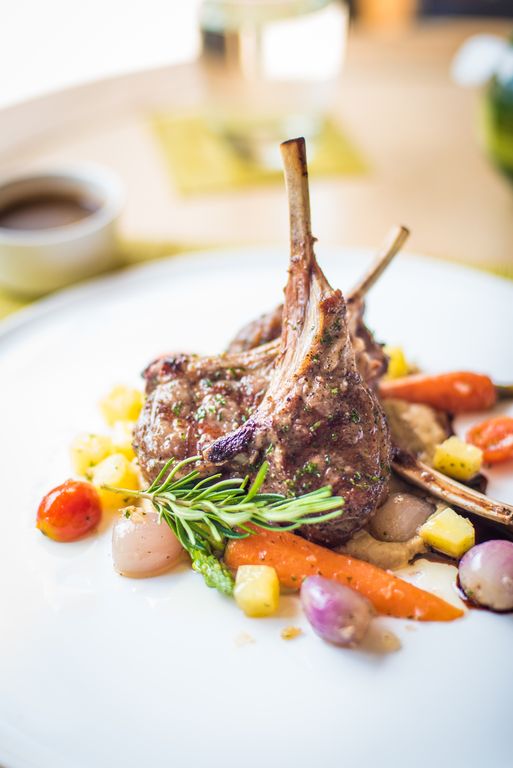
You cannot write about Argentina without writing about food, and you cannot write about Argentine food without starting with beef. Argentina is one of the world’s top beef-consuming nations, and the quality is staggering. The key is the asado tradition: beef cooked slowly over wood embers (never gas, never charcoal briquettes) by an asador who has been tending fires since childhood. At a good parrilla, start with the provoleta — a disk of provolone cheese grilled until it blisters and served with oregano and chili flakes (ARS 5,400 / USD 4 at most restaurants). Follow with chorizo and morcilla (blood sausage) from the grill, then move to the main cuts: vacio (flank), entraña (skirt steak), or the king of all cuts, the bife de chorizo (sirloin strip), which at La Brigada in San Telmo they famously cut with a spoon to prove its tenderness. A full asado dinner for one with wine at La Brigada runs ARS 33,750 (USD 25).
Beyond steak, Argentina’s empanada culture is fiercely regional. In Buenos Aires, expect empanadas fritas (fried) or al horno (baked) stuffed with carne cortada a cuchillo — hand-cut beef with onion, egg, and olive. In Mendoza, the filling skews sweeter. In the north, they add potato. The best empanadas I ate on this trip came from El Sanjuanino (Posadas 1515, Recoleta), a no-frills spot where a dozen empanadas cost ARS 8,100 (USD 6) and arrive on a metal tray with a bowl of chimichurri. Order a mix of carne, jamon y queso, and humita (sweet corn).
Then there is dulce de leche, the caramelized milk spread that Argentines put on everything — toast, pancakes, ice cream, and above all, alfajores. These sandwich cookies filled with dulce de leche are the country’s unofficial national snack. Havanna is the commercial king (a box of six alfajores: ARS 5,400 / USD 4), but for artisanal quality, seek out Cachafaz or Guolis alfajores at specialty stores. For ice cream, Rapanui in Palermo serves scoops of dulce de leche granizado that are life-alteringly good (ARS 4,050 / USD 3 for two scoops).
And we have not even discussed wine. Argentina is the world’s fifth-largest wine producer, and Malbec is the undisputed star — inky, plummy, and absurdly affordable by international standards. A superb bottle of Luigi Bosca Malbec costs ARS 6,750 (USD 5) at a Buenos Aires wine shop. At restaurants, expect to pay ARS 10,800 to 16,200 (USD 8-12) for a good bottle. For white wine drinkers, the Torrontes from Salta and Cafayate is a fragrant, floral revelation that pairs beautifully with empanadas.
Planning tip: Vegetarians will survive but not thrive in traditional Argentine restaurants. Palermo has a growing vegetarian and vegan scene — Artemisia and Buenos Aires Verde are reliable options. At parrillas, provoleta, grilled vegetables, and empanadas de humita are your best bets. Celiac travelers should note that many Argentines are aware of gluten issues, and “sin TACC” (gluten-free) labeling is common in supermarkets.
4. MENDOZA WINE COUNTRY: MALBEC AT THE SOURCE
On day three I flew from Buenos Aires to Mendoza, a two-hour flight that deposits you in the arid, sun-baked wine capital of South America. Aerolineas Argentinas runs the route multiple times daily, and I paid ARS 67,500 (USD 50) for a one-way ticket booked two weeks ahead. From Mendoza’s airport, a taxi to the city center costs ARS 10,800 (USD 8). The city itself is pleasant — wide, tree-lined avenues, outdoor cafes, and the lovely Parque General San Martin — but the real draw lies in the surrounding wine regions: Maipu (closest, budget-friendly), Lujan de Cuyo (premium estates), and the Uco Valley (high-altitude, cutting-edge).
I spent day three in Maipu, the easiest wine region to explore independently. Rent a bicycle from Mr. Hugo Bikes near the Maipu town center for ARS 10,800 (USD 8) per day, and pedal between bodegas on flat, quiet roads. My first stop was Bodega La Rural, which has a small wine museum and tastings starting at ARS 5,400 (USD 4) for four wines. Then I weaved to Trapiche, one of Argentina’s largest and most historic producers, where a reserve tasting in the barrel room cost ARS 8,100 (USD 6). By midday, I had visited three wineries and was pleasantly buzzy, so I stopped at Familia Cecchin, an organic winery that also serves an excellent lunch of homemade pasta paired with their wines (ARS 20,250 / USD 15 for lunch and tasting).
Day four, I splurged on a guided tour to the Uco Valley, about ninety minutes south of Mendoza, where vineyards sit at altitudes above 1,200 meters and the wines are more structured and complex. The full-day tour through Ampora Wine Tours cost ARS 81,000 (USD 60) including transport, three winery visits, and lunch. The highlight was Bodega Salentein, a cathedral-like winery with an on-site art gallery and a barrel room that could double as a Bond villain’s lair. Their single-vineyard Malbec was the best wine I tasted on the entire trip — dark, concentrated, with a mineral backbone from the rocky Andean soil. A bottle at the cellar door cost ARS 13,500 (USD 10), roughly a third of what it would cost in a London wine shop.
Back in Mendoza city, dinner at Azafran (Sarmiento 765) was a revelation: modern Argentine cuisine using local ingredients, with a wine list deeper than some libraries. I had braised lamb shoulder with roasted squash and a glass of their house Cabernet Franc for ARS 27,000 (USD 20). For a more casual option, La Marchigiana on Patricias Mendocinas serves enormous portions of pasta at parrilla prices.
Planning tip: Do not drive between wineries if you are tasting. Argentine police conduct random breathalyzer stops on the roads around Maipu and Lujan de Cuyo, and the legal limit is strict. Use bikes, hire a remis (private car), or book a guided tour. March and April (harvest season) are the most exciting time to visit, but wineries are open year-round. Reserve Uco Valley visits at least a few days in advance — some smaller bodegas only accept visitors by appointment.
5. INTO THE ANDES: MOUNTAIN EXCURSIONS FROM MENDOZA
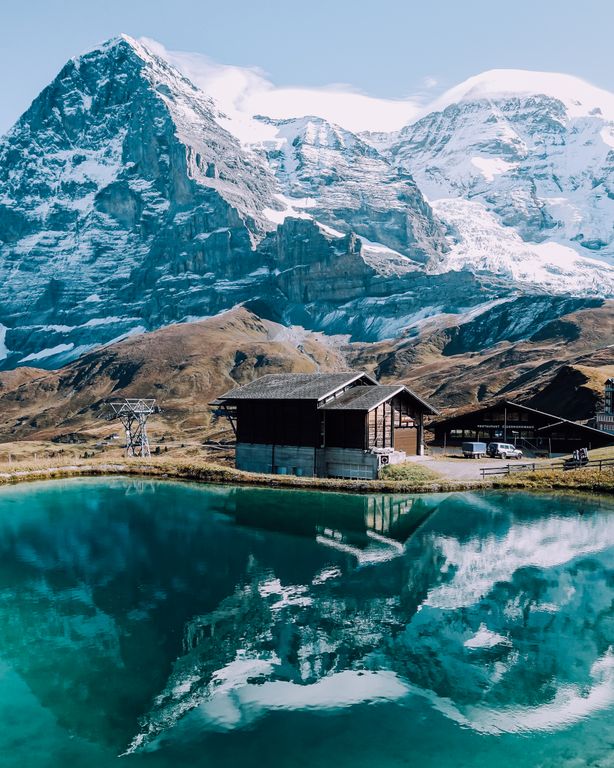
Wine is not Mendoza’s only card. The city sits at the foot of the Andes, and some of South America’s most dramatic mountain scenery is less than two hours’ drive away. On the morning of day four, before my wine tour, I joined an early Alta Montana excursion that follows Ruta 7 west toward the Chilean border. This is the road to Aconcagua, the highest peak in the Americas at 6,961 meters, and even if you have no intention of climbing it, the drive is spectacular — switchback roads cut through polychrome rock formations, river valleys, and the surreal landscape of Puente del Inca, a natural rock bridge stained sulfur-yellow by mineral springs.
The half-day tour with Huentata Travel cost ARS 40,500 (USD 30) and included stops at Puente del Inca, the Aconcagua Provincial Park viewpoint (park entry ARS 4,050 / USD 3 for foreigners), and the old ski village of Los Penitentes. On a clear day, you can see Aconcagua’s summit from the viewpoint, its snowy peak floating above the brown ridgeline like a white crown. Even in summer, bring a warm layer — temperatures at 3,000 meters drop sharply in the wind.
For more active travelers, Mendoza offers serious hiking and horseback riding. A full-day horseback ride through the Andean foothills with Cabalgatas de los Andes costs around ARS 67,500 (USD 50) and includes a traditional asado lunch cooked by gauchos on the trail. In winter (June through September), the ski resort of Los Penitentes and the more upscale Las Lenas (four hours south) draw skiers from across South America. Rafting on the Rio Mendoza is another option, with Class III rapids and half-day trips running ARS 40,500 (USD 30).
One excursion I wish I had time for: the crossing to Chile via the Cristo Redentor pass, where a massive statue of Christ stands on the border at 3,854 meters. The road closes in winter due to snow, but from October to April, you can drive (or bus) across one of the most dramatic border crossings on the continent.
Planning tip: Altitude sickness is unlikely at the elevations most tours reach (2,500-3,500 meters), but drink plenty of water and avoid heavy alcohol the night before. If you plan to trek in Aconcagua Provincial Park beyond the viewpoint, permits are required and cost significantly more for multi-day treks. Book through the park’s official website at least a month ahead during peak season (December through February).
6. PERITO MORENO GLACIER: A WALL OF ICE THAT REARRANGES YOUR BRAIN
On day five I flew from Mendoza to El Calafate, gateway to Los Glaciares National Park. The flight (with a connection in Buenos Aires) took most of the morning, but by early afternoon I was standing on the wooden walkways above Lago Argentino, staring at something my brain could not fully process: the front wall of Perito Moreno Glacier, a 5-kilometer-wide, 60-meter-tall cliff of blue-white ice that groans, cracks, and periodically calves enormous chunks into the turquoise water below. I have seen photographs of this glacier my entire life, and none of them prepared me for the scale. It is not a wall. It is a frozen continent pressing its face against the lake.
The national park entrance fee is ARS 27,000 (USD 20) for foreign visitors, payable in cash or card at the gate. The park is 80 kilometers from El Calafate — most visitors take a bus operated by Hielo y Aventura or Caltur (round trip ARS 13,500 / USD 10) or rent a car (ARS 40,500 / USD 30 per day from agencies on Avenida Libertador). The walkway system lets you view the glacier from multiple angles and distances, and I spent four hours there without a moment of boredom, because the glacier is constantly moving — every few minutes, a crack echoes across the lake, and if you are lucky, you witness a major calving event where a pillar of ice the size of a building collapses into the water with a thunderous roar.
On day six, I booked the Minitrekking excursion with Hielo y Aventura (ARS 108,000 / USD 80, including crampons and guide), which takes you by boat across Brazo Rico to the glacier’s southern face, where you strap on crampons and walk on the ice itself for about ninety minutes. Standing on Perito Moreno, drinking whiskey chilled with 20,000-year-old glacial ice (included in the tour), surrounded by crevasses glowing electric blue — it was one of the most surreal experiences of my traveling life. There is also a full-day Big Ice trek (ARS 162,000 / USD 120) for fitter hikers who want to go deeper onto the glacier.
El Calafate itself is a small tourist town with one main street, Avenida Libertador, lined with outdoor gear shops, chocolate stores, and restaurants. For dinner, La Tablita (Coronel Rosales 24) serves excellent Patagonian lamb cooked al asador — a whole lamb splayed on a metal cross over an open fire. A lamb dinner with a Malbec cost ARS 27,000 (USD 20). For budget eaters, Viva La Pepa on Emilio Amado does generous sandwiches and salads for ARS 8,100 (USD 6).
Planning tip: Book the Minitrekking or Big Ice excursion at least three days in advance during high season (November through March) — they sell out. Wear sunscreen even on cloudy days; the UV reflection off the ice is brutal. The walkways are wheelchair accessible on the main platforms but involve significant stairs on the lower circuits. Bring binoculars to spot calving events on distant parts of the glacier face.
7. USHUAIA: THE END OF THE WORLD AND TIERRA DEL FUEGO

Day seven. The final day. I flew from El Calafate to Ushuaia (one hour, ARS 54,000 / USD 40) and landed in the city that proudly bills itself as “El Fin del Mundo” — the End of the World. Ushuaia is the southernmost city on the planet, perched on the Beagle Channel with the jagged Martial Mountains rising directly behind it. The air is sharp, the wind is constant, and there is a quality of light here — pale, silvery, almost Arctic — that exists nowhere else I have been.
With only one day, I prioritized. Morning: Tierra del Fuego National Park, a 12-kilometer drive west of town. Park entry is ARS 16,200 (USD 12) for foreigners, and shuttle buses run from the tourist pier (ARS 6,750 / USD 5 round trip). The park is a mosaic of lenga beech forests, peat bogs, and rocky coastline along the Beagle Channel. I hiked the Senda Costera (Coastal Trail), a moderate 6.5-kilometer path that follows the shore from Bahia Ensenada to Bahia Lapataia, where a famous sign marks the end of Ruta Nacional 3 — the road that begins in Buenos Aires and runs 3,079 kilometers to this point. Standing at the sign, staring out at the gray-green water, I felt the full weight of how far south I had come.
Afternoon: a Beagle Channel boat tour with Canoero Patagonia (ARS 40,500 / USD 30, three hours). The catamaran cruises past Isla de los Lobos (sea lion colony), Isla de los Pajaros (cormorant nesting grounds), and the iconic Les Eclaireurs Lighthouse, often mistakenly called the “lighthouse at the end of the world” (the real one described by Jules Verne is on Isla de los Estados, much farther east). On a clear day, you can see across the channel to the Chilean islands of Tierra del Fuego — a wilderness with no roads and almost no people.
For my final Argentine dinner, I went to Kaupe (Roca 470), a fine-dining restaurant overlooking the channel that specializes in Fuegian king crab (centolla). A whole centolla, cracked and served with lemon butter, cost ARS 40,500 (USD 30) and was worth the splurge — sweet, delicate, freshly pulled from the icy channel. For a more affordable centolla experience, Tante Sara on San Martin street serves centolla empanadas for ARS 4,050 (USD 3 each). I ate three.
Planning tip: Ushuaia weather is wildly unpredictable. I experienced sun, rain, hail, and wind within a single hour. Layer up and bring a waterproof jacket regardless of what the forecast says. If you have more than one day, the Glaciar Martial hike (accessible by chairlift from the edge of town, ARS 10,800 / USD 8) offers panoramic views of the channel. Winter visitors (June through September) can ski at Cerro Castor, the southernmost ski resort in the world.
8. GETTING AROUND ARGENTINA: FLIGHTS, BUSES, AND THE SUBTE
Argentina is enormous — the eighth-largest country in the world — and getting between destinations requires either flying or committing to very long bus rides. For this itinerary, domestic flights are essential for the Patagonian legs. Aerolineas Argentinas is the national carrier with the most extensive domestic network. Flybondi and JetSmart are budget alternatives that sometimes offer shockingly cheap fares (I have seen Buenos Aires to Mendoza for ARS 27,000 / USD 20 on flash sales), but they fly from El Palomar airport, which is farther from central Buenos Aires than Aeroparque Jorge Newbery (the main domestic airport, conveniently located in Palermo).
Typical one-way flight prices booked two weeks ahead: Buenos Aires to Mendoza ARS 54,000-81,000 (USD 40-60). Buenos Aires to El Calafate ARS 94,500-135,000 (USD 70-100). El Calafate to Ushuaia ARS 40,500-67,500 (USD 30-50). Book directly on airline websites for the best fares. Important: domestic flight prices for foreigners are now the same as for Argentines, a change from the old two-tier pricing system that was scrapped. Always check luggage allowances on budget carriers — Flybondi charges extra for checked bags.
For Buenos Aires to Mendoza, the long-distance bus is a legitimate alternative. The journey takes 12-14 hours, but Argentine long-distance buses are a step above anything in Europe or North America. Book a cama suite seat with Andesmar or Chevallier and you get a fully flat bed, meals, wine, and movies for around ARS 40,500 (USD 30). Buses depart from Retiro Bus Terminal, which is large, well-organized, and mildly chaotic. Buy tickets at the terminal or through Plataforma 10 (plataforma10.com.ar), the main online booking platform.
Within Buenos Aires, the Subte (subway) is the fastest way to move. Six lines cover the main neighborhoods, and a single ride costs ARS 540 (USD 0.40) using the SUBE card, a rechargeable transit card available at kioscos and Subte stations for ARS 2,700 (USD 2). The SUBE card also works on city buses (colectivos), which cover routes the Subte does not. Taxis are metered, relatively cheap (a cross-town ride rarely exceeds ARS 6,750 / USD 5), and generally safe — just make sure the meter is running. Ride-hailing apps like Uber and Cabify work in Buenos Aires and Mendoza, though some taxi drivers have strong opinions about them.
Planning tip: Buy your SUBE card and load it with ARS 5,400 (USD 4) on arrival — it will cover most of your Buenos Aires transit. For domestic flights, book as early as possible; prices spike within a week of departure. If taking overnight buses, the cama suite class is absolutely worth the premium over semi-cama — the price difference is usually only ARS 8,100-13,500 (USD 6-10) and the comfort gap is enormous.
9. BUDGET BREAKDOWN: WHAT SEVEN DAYS IN ARGENTINA ACTUALLY COSTS
Argentina’s economy is famously volatile, and the exchange rate situation deserves a moment of honesty. As of July 2026, the “blue dollar” (informal market rate) sits at approximately 1 USD = 1,350 ARS. This is the rate most travelers effectively receive when paying by foreign credit card or withdrawing from ATMs. The official rate is lower, meaning your purchasing power depends heavily on how you access pesos. For this budget breakdown, all conversions use the blue dollar rate. Prices can shift — always check current rates before traveling.
Below is a realistic breakdown across three budget tiers for seven days, covering Buenos Aires (2 nights), Mendoza (2 nights), El Calafate (2 nights), and Ushuaia (1 night).
| Category | Budget (USD) | Mid-Range (USD) | Splurge (USD) |
|---|---|---|---|
| Accommodation (7 nights) | $105 (hostels, ARS 20,250/night) | $280 (3-star hotels, ARS 54,000/night) | $700 (boutique hotels, ARS 135,000/night) |
| Domestic flights (3 legs) | $120 (budget carriers, advance booking) | $180 (Aerolineas standard) | $250 (flexible fares, extra luggage) |
| Food and drink (7 days) | $84 (street food, markets, cooking, ARS 16,200/day) | $175 (restaurants, wine with meals, ARS 33,750/day) | $350 (fine dining, premium wine, ARS 67,500/day) |
| Activities and entrance fees | $60 (free walking tours, parks, basic entries) | $150 (wine tours, glacier walkways, boat tours) | $300 (Minitrekking, private wine tours, tango shows) |
| Local transport | $25 (Subte, buses, walking) | $55 (taxis, Uber, some remis) | $100 (private transfers, car rentals) |
| TOTAL 7 DAYS | $394 | $840 | $1,700 |
Those numbers are not typos. Argentina at the blue dollar rate is one of the best-value destinations in South America. A budget traveler staying in well-reviewed hostels like Milhouse Hostel in Buenos Aires (ARS 16,200 / USD 12 per night for a dorm) or Campo Base Hostel in Mendoza (ARS 13,500 / USD 10) can eat steak dinners, visit world-class wineries, and stand on a glacier for under USD 400 a week. Mid-range travelers staying in comfortable hotels like Mine Hotel in Palermo (ARS 54,000 / USD 40 per night) or Posada Los Alamos in El Calafate (ARS 67,500 / USD 50) will live extremely well for under USD 900.
The biggest variable is internal flights. If you can book four to six weeks ahead and are flexible on dates, you can sometimes halve the flight costs. The biggest trap is ATM fees — Argentine ATMs dispense limited amounts (often capped at ARS 40,500 / USD 30 per withdrawal) and charge fees of ARS 2,700-4,050 (USD 2-3) per transaction. Withdraw larger amounts less frequently, or better yet, bring USD cash and exchange at a cueva (informal exchange house) on Calle Florida in Buenos Aires for the best blue dollar rate. Your hotel can usually point you to a trusted one.
Planning tip: Credit cards from Wise (formerly TransferWise) and Charles Schwab tend to give exchange rates close to the blue dollar rate and refund ATM fees. Check with your card provider before traveling. Tipping in Argentina is typically 10% at sit-down restaurants — leave it in cash even if paying by card.
10. CULTURAL ETIQUETTE AND STAYING SAFE IN ARGENTINA
Argentines greet everyone — friends, acquaintances, the plumber, the person they just met — with a single kiss on the right cheek. This applies regardless of gender. Offering a handshake to someone expecting a kiss will create an awkward moment. Lean in, aim right, light contact, done. You will get used to it by day two.
Mate, the bitter herbal tea sipped through a metal straw (bombilla) from a shared gourd, is the social glue of Argentine life. If someone offers you mate, accept it. Drink the entire serving (it is a small amount), then hand the gourd back to the cebador (the person preparing it). Do not say “gracias” until you are finished participating — saying thank you signals you do not want any more. Do not stir the bombilla. Do not add sugar unless offered. These are minor points, but getting them right earns genuine warmth from locals.
Safety in Argentina requires common sense rather than paranoia. Buenos Aires is a big city with big-city crime — petty theft and phone snatching are the main concerns, particularly in crowded areas like the Subte, Florida street, and the San Telmo market. Keep your phone in a front pocket or zipped bag. Do not flash expensive cameras in La Boca outside the Caminito tourist zone. At night, stick to well-lit streets in Palermo, Recoleta, and San Telmo — avoid walking through Constitucion, Once, and Retiro station after dark. Use registered taxis or ride-hailing apps rather than hailing unmarked cars.
In Patagonia, safety concerns shift from crime to weather. Conditions change rapidly in El Calafate and Ushuaia — sunny skies can turn to horizontal sleet in minutes. Always carry layers, rain gear, and sunscreen (the ozone layer is thinner this far south, and sunburn happens fast). On glacier treks, listen to your guide without exception — crevasses are real and invisible under fresh snow. In Tierra del Fuego National Park, stay on marked trails; the peat bogs look solid but will swallow your boot to the ankle.
A few more cultural notes: Argentines eat dinner late (9pm-11pm), take their time over meals, and consider rushing through a restaurant a mild insult to the chef. If you ask for the check, you may wait fifteen minutes — this is not bad service, it is the culture of sobremesa (lingering at the table after eating). Conversations are animated, personal, and punctuated with hand gestures. Politics, especially regarding Peronism, is discussed passionately — feel free to listen, but tread carefully before sharing strong opinions. Football (futbol) is safe conversational ground with anyone, as long as you do not accidentally praise River Plate to a Boca Juniors fan or vice versa.
Planning tip: Learn a few Spanish phrases before arrival. While English is spoken in tourist areas of Buenos Aires and Mendoza, it drops off sharply in Patagonia and smaller towns. “Buenas tardes” (good afternoon), “la cuenta, por favor” (the check, please), and “donde esta…” (where is…) will cover most situations. Google Translate’s offline Spanish pack is invaluable. Argentines are patient and encouraging with travelers who attempt Spanish, even badly.
Route at a Glance
| Day | Location | Highlights | Overnight |
|---|---|---|---|
| 1 | Buenos Aires | San Telmo market, La Boca, El Obrero lunch | San Telmo / Palermo |
| 2 | Buenos Aires | Recoleta Cemetery, Palermo Soho, Don Julio, milonga | Palermo |
| 3 | Mendoza | Fly from Buenos Aires, Maipu wine region by bike | Mendoza city |
| 4 | Mendoza | Alta Montana / Andes excursion, Uco Valley wines | Mendoza city |
| 5 | El Calafate | Fly to El Calafate, Perito Moreno walkways | El Calafate |
| 6 | El Calafate | Minitrekking on Perito Moreno, La Tablita dinner | El Calafate |
| 7 | Ushuaia | Tierra del Fuego NP, Beagle Channel boat tour, centolla dinner | Ushuaia |
This article contains independently chosen recommendations. Some links may earn a commission at no extra cost to you, which helps support the ongoing research and fieldwork behind our travel guides. All opinions, enthusiastic and critical alike, are entirely our own.
Updated July 2026. All prices verified at the blue dollar exchange rate of approximately 1 USD = 1,350 ARS. Argentina’s economic situation is fluid — exchange rates and prices may shift significantly. Check current rates before booking and budget with a 10-15% cushion for fluctuations.
