
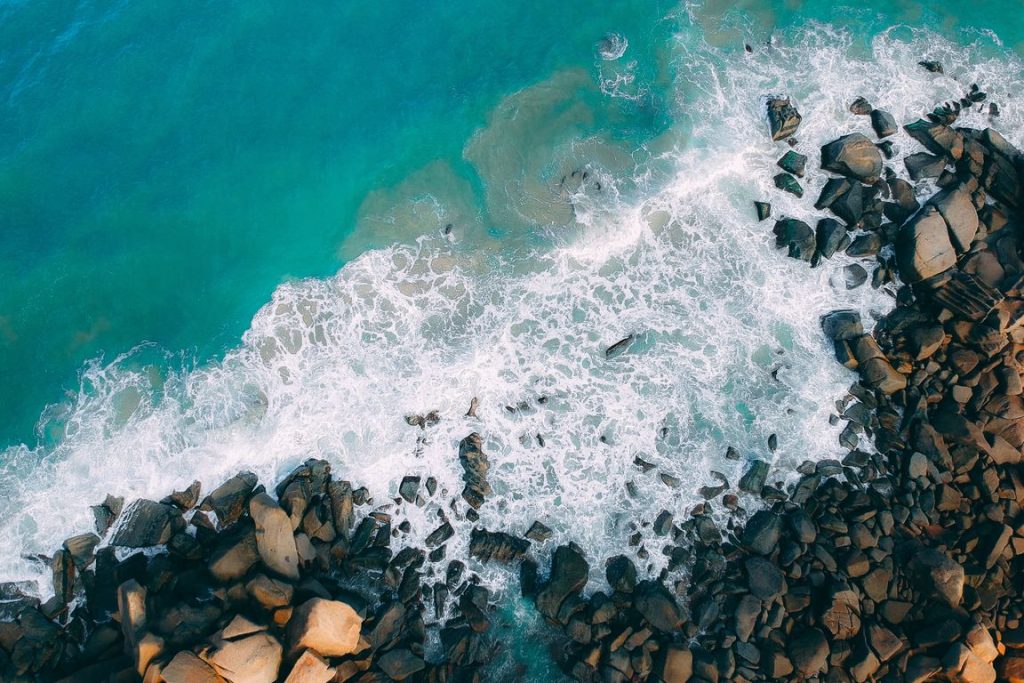
Croatia has a way of catching you off guard. You arrive expecting postcard views and Game of Thrones tourism, and you leave with salt-crusted skin, a mild addiction to rakija, and the nagging feeling that you left too soon. I spent seven days working my way from Dubrovnik up through Split, out to Hvar, into the forested interior at Plitvice, and finishing along Zadar’s waterfront — and every day felt like a different country. This is how that week unfolded, with the prices I actually paid and the honest calls on what’s worth your time.
Day 1: Walking the Walls of Dubrovnik Old Town
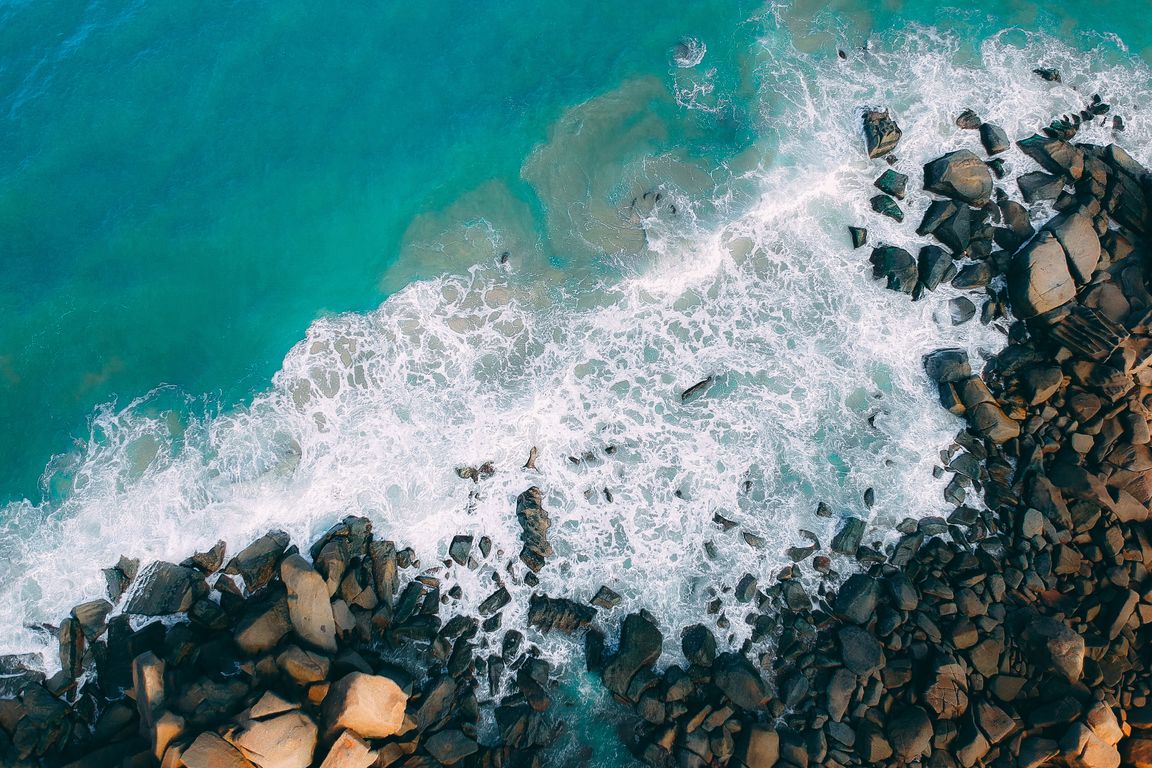
Let me get this out of the way: Dubrovnik is expensive, it is crowded in summer, and it is still absolutely worth visiting. The Old Town walls walk is the reason most people come, and for once the hype matches reality. The full circuit runs about two kilometers along limestone fortifications that have stood since the 13th century, with the Adriatic crashing against the rocks below and a mess of terracotta rooftops filling the interior. It is genuinely stunning.
The catch is timing. I made the mistake of arriving at the Pile Gate entrance around 10:30 in the morning, and within twenty minutes I was shoulder-to-shoulder with cruise ship passengers moving at a glacial shuffle. The walls ticket costs EUR 35 (roughly USD 38) per adult, which is steep — but considering you are walking on medieval fortifications above one of Europe’s most beautiful coastlines, it earns its price. What doesn’t earn its price is doing it in the midday heat surrounded by three hundred people all stopping to take the same photograph.
Budget tip: If you are visiting between April and October, the walls open at 8:00 AM. Be there at 7:50. The first hour is genuinely peaceful, the light is better for photographs, and the temperature is manageable. Also, buy your ticket online the day before — the queue at the booth can eat thirty minutes of your morning. Students and children get discounted entry, so bring ID if that applies.
After the walls, I wandered the Stradun — the main limestone-paved street running through Old Town — and ducked into side alleys where the tourist density drops sharply. Lunch was at a small konoba (tavern) on a stepped side street where I had grilled squid, bread, and a glass of house white for EUR 18 (USD 20). Not cheap by Croatian standards, but reasonable for Dubrovnik, where waterfront restaurants will charge you EUR 30 for a mediocre pasta.
I stayed at a private apartment in Lapad, about a fifteen-minute bus ride from Old Town. The room was clean, had air conditioning that actually worked, and cost EUR 75 (USD 82) per night. Hotels inside the walls start at EUR 200 and go rapidly upward. Unless you have a specific reason to wake up inside a UNESCO site, stay in Lapad or Gruz and take the bus.
Getting there: Dubrovnik Airport is well connected to most European hubs. The airport shuttle bus runs to Pile Gate and costs EUR 10 (USD 11) one way. Taxis from the airport to the Old Town area run EUR 35-40 (USD 38-44). If you are arriving by bus from elsewhere in Croatia, you will land at the main bus station in Gruz, which is a short local bus ride from the Old Town.
Day 2: Dubrovnik Beaches and Lokrum Island
Dubrovnik’s beaches are not the wide sand stretches you might picture. Most are rocky or pebbly, with concrete platforms and ladders descending into absurdly clear water. Banje Beach, just east of Old Town, is the most accessible — it has a bar, lounge chairs for rent (EUR 20/USD 22 for a pair), and a direct view of the city walls. It is fine. It is also packed by noon and feels a bit like paying for the privilege of sitting near other tourists.
The better move is Lokrum Island. Ferries leave from the Old Town harbor every thirty minutes during summer and the round trip costs EUR 15 (USD 16). The crossing takes about fifteen minutes, and you arrive at a forested island with rocky swimming spots, a botanical garden, a ruined Benedictine monastery, and peacocks wandering around like they own the place — which, in fairness, they do. I spent the morning swimming off the rocks on the island’s southern side, where the water was so clear I could see the bottom at what must have been eight meters depth. There is a nudist beach on the eastern shore if that is your thing, and a small saltwater lake called the Dead Sea in the island’s interior that is warm and calm and worth finding.
Bring your own food and water. The single cafe on Lokrum charges island prices, and the portions are forgettable. A sandwich, some fruit, and a liter of water from a Dubrovnik supermarket will cost you EUR 5 (USD 5.50) and taste better.
Budget tip: The last ferry back to Dubrovnik leaves around 6:00 or 7:00 PM depending on the month — check the posted schedule when you arrive. Missing it means either a very expensive water taxi or a night with the peacocks.
Day 3: Day Trip to Kotor, Montenegro
Montenegro is close enough to Dubrovnik that skipping it feels wasteful. The drive to Kotor takes about two hours including the border crossing, which can add thirty to sixty minutes in summer if you hit a queue. I booked a small-group day tour for EUR 45 (USD 49) that included transport and a stop at the Bay of Kotor viewpoint. You can also rent a car, but parking in Kotor’s old town is a headache and the narrow coastal roads reward full attention.
Kotor itself is a walled medieval town wedged between a mountain and a fjord-like bay, and it has a different energy than Dubrovnik — rougher, less polished, more Balkan in feel. The old town is compact and walkable, with stone churches and cats sleeping on every flat surface. The main attraction beyond wandering is the hike up to the San Giovanni fortress, which sits 1,200 steps above the town. I did the climb in early morning and it took about forty-five minutes at a pace that kept me from passing out. The view from the top — the bay spreading out below, the mountains rising on every side — is extraordinary.
Lunch in Kotor ran me about EUR 12 (USD 13) for a cevapi plate with bread and ajvar. Notably cheaper than Dubrovnik for food of similar or better quality. Montenegro uses the euro as well, so no currency exchange needed.
Getting there: Organized tours depart from Dubrovnik daily and typically run EUR 40-55 (USD 44-60) per person. If driving yourself, you will need your passport and vehicle registration for the border crossing. The coastal road through Herceg Novi is scenic but slow — factor that into your timing.
Day 4: The Road to Split
The journey from Dubrovnik to Split covers about 230 kilometers and takes roughly four hours by car, slightly longer by bus. I drove, and I would recommend the same to anyone comfortable with European roads. The route follows the Adriatic coastline for long stretches, hugging cliffs with the sea below and islands visible offshore. You pass briefly through a sliver of Bosnia-Herzegovina near Neum — about twenty kilometers of Bosnian coast that splits Croatia’s coastline — so carry your passport even for this domestic-feeling drive.
The bus is a solid alternative if you do not want to drive. FlixBus and Croatia Bus run the route multiple times daily, with tickets ranging from EUR 15 to EUR 25 (USD 16-27) depending on when you book. The ride takes about four and a half hours with stops. Comfortable enough, and you get to watch the coast without worrying about the winding roads.
I stopped in Makarska for lunch — a coastal town roughly midway that has a beautiful crescent beach backed by the Biokovo mountain range. Fish and chips at a harbor restaurant cost EUR 11 (USD 12), and the town felt refreshingly normal after tourist-saturated Dubrovnik.
Budget tip: If you are renting a car, book it in Split rather than Dubrovnik. Rental rates in Dubrovnik are consistently higher, sometimes by 30-40 percent. I paid EUR 42 (USD 46) per day for a basic manual hatchback picked up in Split — the same car quoted at EUR 60 (USD 66) from Dubrovnik agencies.
Day 5: Split — Diocletian’s Palace and the Waterfront
Split is the antidote to Dubrovnik’s sometimes suffocating beauty. It is a real city — messy, loud, with laundry hanging from apartment windows that are built directly into the walls of a Roman emperor’s retirement palace. Diocletian’s Palace is the heart of it, but calling it a “palace” creates the wrong expectation. It is more like a small neighborhood that happens to be constructed inside a 1,700-year-old Roman compound. People live here. There are bars in the basement vaults. Shops sell cheap souvenirs next to columns that Emperor Diocletian himself walked past.
Entry to the Palace grounds is free — you just walk in. The basement halls (Podrumi) cost EUR 8 (USD 9) to enter and are worth it for the vaulted Roman architecture and the slightly creepy atmosphere. The Cathedral of Saint Domnius, originally Diocletian’s mausoleum, charges EUR 5 (USD 5.50) for entry, and you can climb the bell tower for an additional EUR 4 (USD 4.40) for a panoramic view over the rooftops and harbor.
The Riva — Split’s waterfront promenade — is where the city’s social life happens. Palm-lined, wide, and lined with cafes where people sit for hours over a single coffee. I joined them. A coffee on the Riva runs EUR 2.50-3.50 (USD 2.75-3.80), which felt borderline charitable after Dubrovnik’s pricing. Dinner was at a place a few blocks inland where I had peka — a traditional dish of meat or seafood slow-cooked under a bell-shaped lid with potatoes and vegetables. The lamb version cost EUR 16 (USD 17.50) and was one of the best meals of the trip, tender and smoky and worth every cent.
I stayed in a guesthouse near the Bacvice beach area for EUR 55 (USD 60) per night. Split has more affordable accommodation than Dubrovnik across the board, and the food and drink prices are noticeably lower.
Getting there: Split’s bus and train station sit next to each other on the waterfront, a ten-minute walk from Diocletian’s Palace. The airport is about 25 kilometers west; the airport bus costs EUR 5 (USD 5.50) and drops you at the harbor.
Day 6: Hvar Island Day Trip
Hvar has a reputation as Croatia’s glamour island — yachts, cocktail bars, beautiful people in expensive sunglasses. That reputation is not entirely wrong, but it also is not the whole story. I took the catamaran from Split, which costs EUR 13-18 (USD 14-20) one way depending on the operator and takes about an hour. Jadrolinija and Krilo run the most frequent services. Book ahead in July and August — these ferries sell out.
Hvar Town itself is compact and handsome, built around a harbor square with a 16th-century cathedral and a fortress on the hill above. I climbed up to the Spanjola Fortress (EUR 8 / USD 9 entry) for the view, which takes in the town, the harbor, and the Pakleni Islands scattered across the water. The climb is steep and exposed, so bring water and go early.
The real discovery was renting a scooter for EUR 35 (USD 38) for the day and riding east out of Hvar Town into the island’s interior. Within fifteen minutes the landscape shifted from tourist infrastructure to stone-walled lavender fields, olive groves, and near-empty villages where the loudest sound was cicadas. I stopped in Stari Grad, a quieter town on the island’s north side, and had lunch at a family-run konoba — grilled fish, salad, bread, and wine for EUR 15 (USD 16). The UNESCO-listed Stari Grad Plain, an ancient Greek agricultural landscape still farmed today, stretched out behind the town, and I had it almost entirely to myself.
I caught the 6:30 PM catamaran back to Split, sunburned and satisfied. Hvar delivers if you leave the harbor.
Budget tip: If you want to stay overnight on Hvar rather than day-tripping, look at rooms in Stari Grad or Jelsa rather than Hvar Town. Prices are often half as much, and the towns have their own character. A decent private room in Stari Grad runs EUR 45-60 (USD 49-66) in peak season.
Day 7 (Morning): The Drive to Plitvice Lakes
This was a transition day. The drive from Split to Plitvice Lakes National Park takes about three hours on the A1 motorway, pushing inland through increasingly forested and mountainous terrain. The landscape change is dramatic — within an hour of leaving Split’s sun-blasted coast, you are surrounded by dense beech and fir forests that feel more like central Europe than the Mediterranean.
I stopped for a late breakfast at a roadside restaurant near Sinj that served burek — flaky pastry stuffed with cheese — for EUR 3 (USD 3.30). Motorway tolls from Split to the Plitvice area ran about EUR 12 (USD 13) total. If you are busing it, direct services from Split to Plitvice run a few times daily and cost EUR 15-22 (USD 16-24), taking about four to five hours.
I arrived at my guesthouse near the park entrance in the early afternoon. Accommodation around Plitvice is almost entirely small hotels and family-run guesthouses, which gives the area a quieter, more personal feel than the coast. My room cost EUR 50 (USD 55) per night and included breakfast — eggs, bread, cheese, homemade jam, and coffee strong enough to restart a stopped heart.
Getting there: If you are coming from Zagreb rather than Split, the drive is about two hours south on the D1. Buses from Zagreb to Plitvice run regularly and cost EUR 10-15 (USD 11-16). The park has two main entrances; Entrance 1 puts you at the lower lakes, Entrance 2 at the upper lakes. Ask your accommodation host which is best for your planned route.
Day 7 (Afternoon) & Day 8: Plitvice Lakes National Park
Plitvice is Croatia’s most visited natural attraction and one of the country’s two UNESCO World Heritage sites that feels genuinely earned. Sixteen terraced lakes connected by waterfalls, set in thick forest, with wooden boardwalks threading through the whole system. The water ranges from emerald green to an almost unbelievable turquoise blue, depending on the minerals, the light, and the angle. I had seen plenty of heavily filtered photos before arriving. The reality was better.
Park tickets cost EUR 30 (USD 33) in peak season (June through September) and EUR 20 (USD 22) in the shoulder months. There are several marked routes ranging from two to eight hours. I walked Route H, which covers both the upper and lower lakes and takes roughly five to six hours at a moderate pace with stops. The lower lakes are the most dramatic, with bigger waterfalls and the famous Veliki Slap (Great Waterfall) plunging 78 meters into a mossy canyon. The upper lakes are quieter and more intimate, with smaller cascades and more forest cover.
Swimming is not allowed — this has been the rule for years and they enforce it. The park includes an electric boat ride across Lake Kozjak and a panoramic train between sections, both included in the ticket price.
I visited on a weekday in late June, arriving at Entrance 1 at 8:00 AM when the park opened. Until about 10:30, the boardwalks were pleasantly empty. By noon, the popular viewpoints were congested. By 2:00 PM, some sections felt like a queue at a theme park. The morning-first strategy is not optional here — it is the difference between a transcendent nature experience and an exercise in patience.
Budget tip: The park ticket is valid for one day only, so plan your route to see what matters most to you. If you want two days, you will pay twice. Pack lunch — there are a few overpriced cafeterias inside the park, but a picnic on one of the benches overlooking the lakes is both cheaper and infinitely more pleasant. Just pack out your rubbish.
Day 8 (Evening) & Final Day: Zadar’s Sunset and the Sea Organ

From Plitvice, I drove about two hours west to Zadar, arriving in the late afternoon. Zadar is often treated as a stopover or a footnote in Croatia itineraries, which is a mistake. It is one of the most enjoyable cities on the coast — small enough to walk everywhere, old enough to have serious historical weight, and relaxed enough that you do not feel like a revenue source being processed through a tourism machine.
The Old Town sits on a small peninsula, and its narrow streets hold Roman ruins, Romanesque churches, and a genuinely excellent archaeological museum (EUR 5 / USD 5.50 entry). But the main draw, and the reason I timed my arrival for late afternoon, is the waterfront at sunset.
Two installations sit on the western tip of the peninsula. The Sea Organ is a set of pipes built into the stone steps along the water’s edge. Waves push air through the pipes, creating a shifting, haunting series of musical tones that sound like nothing else I have heard. It is not a gimmick — the sound is subtle and strange and genuinely beautiful, and it changes constantly with the sea conditions. Next to it is the Greeting to the Sun, a circular arrangement of solar-powered glass plates set into the ground that light up in patterns after dark. Both are free.
I sat on the Sea Organ steps as the sun dropped toward the horizon and the Adriatic turned gold, then orange, then a deep red-violet. Alfred Hitchcock reportedly called Zadar’s sunset the finest in the world during a visit in 1964. I will not argue with him. There is no entry fee, no velvet rope, no audio guide. You just sit on warm stone and watch it happen. It was the quietest, most uncomplicated moment of the entire trip, and the one I think about most.
Dinner was at a restaurant near the Forum where I had a seafood risotto for EUR 13 (USD 14) and a half-liter of local wine for EUR 5 (USD 5.50). Zadar’s prices are noticeably lower than Split and dramatically lower than Dubrovnik. My accommodation — a simple room in the Old Town — cost EUR 48 (USD 52) per night.
Budget tip: Zadar has its own airport with budget airline connections (Ryanair flies here seasonally). If your itinerary allows, flying into or out of Zadar can save you a bus journey and sometimes money on flights compared to Dubrovnik or Split.
Wrapping Up: What This Trip Cost and What I Would Change
Over seven full days, my total spend came to roughly EUR 1,050 (USD 1,150), excluding flights. That breaks down to about EUR 150 (USD 164) per day covering accommodation, food, transport, activities, and the occasional drink. I was not roughing it — I stayed in private rooms with bathrooms, ate sit-down meals, and did not skip any paid attractions. But I also was not splashing out on boutique hotels or three-course dinners. Call it comfortable mid-range travel.
Here is the rough breakdown:
- Accommodation: EUR 350 (USD 383) for 7 nights, averaging EUR 50/night in private rooms and guesthouses
- Food and drink: EUR 280 (USD 306), eating out for most meals but choosing local spots over tourist-facing restaurants
- Transport: EUR 200 (USD 219), including car rental for four days, fuel, tolls, ferries, and local buses
- Activities and entry fees: EUR 160 (USD 175), covering walls walks, parks, museums, and boat trips
- Miscellaneous: EUR 60 (USD 66), covering everything else — sunscreen, a bottle of local olive oil I could not resist, phone data top-up
If I were doing it again, I would change a few things. I would add a night in Zadar — it deserved more than an evening and a morning. I would skip the organized Montenegro tour and rent a car for that leg instead, which would have been cheaper for two people and more flexible. I would spend one night on Hvar rather than day-tripping, to catch the island in the early morning and evening when the tour boats are gone. And I would move my Dubrovnik days to the start of the week when cruise ship schedules tend to be lighter, though this requires research that changes year to year.
A few logistical notes that might save you time:
Currency: Croatia adopted the euro in January 2023. Cards are accepted nearly everywhere in cities and tourist areas, but carry some cash for smaller towns, rural guesthouses, and the occasional market stall that prefers it.
Language: Croatian is the national language. English is widely spoken in tourist areas, especially by younger people. Learn “hvala” (thank you) and “dobar dan” (good day) — the small effort is noticed and appreciated.
Driving: Roads along the coast are generally good but winding. The A1 motorway inland is fast and well-maintained. Tolls are paid in euros at booths or by ENC transponder. Parking in old towns is difficult and expensive — look for peripheral lots and walk in. International driving permits are technically required for non-EU licenses but rarely checked.
When to go: Late May, June, and September are the sweet spot — warm enough for swimming, not yet overrun with peak-season crowds. July and August bring higher prices, longer queues, and temperatures that make midday sightseeing a chore. October can be beautiful on the coast, though some island ferry services reduce frequency and highland parks like Plitvice start getting cold and rainy.
Safety: Croatia is safe for travelers. Petty theft exists in crowded tourist areas as it does anywhere, but violent crime against tourists is extremely rare. Tap water is drinkable everywhere I visited.
Croatia’s strength is its compression. You can have a walled medieval city, a forested national park, a lavender-scented island, and a Roman emperor’s living room all within a few hours of each other. The food is honest, the wine is underrated, and the Adriatic is the kind of blue that makes you reconsider every other sea you have ever seen. Seven days is enough to understand why people come back. It is not enough to stop wanting to.
